Grow Home Assistant Fast in 3 Smart Ways home assistant
Safeguarding Your Future: A Guide to AI-Driven Smart Home Security
Are you worried about breaking ins while you are asleep? The rise of Artificial Intelligence (AI) in domestic security offers a powerful shield against modern threats. By utilizing a home assistant, you can transition from reactive monitoring to proactive defense. This technology creates a seamless ecosystem, ensuring that every door, window, and hallway is watched. Adopting AI-driven security provides peace of mind through intelligent automation. Beyond basic alerts, these systems learn your family’s patterns to distinguish between a stranger and a loved one. Furthermore, achieving true connectivity requires robust smart home integration, allowing various devices to communicate effectively for maximum protection. The convergence of human comfort and advanced security algorithms marks a new era in property safety.
Materials & Supplies
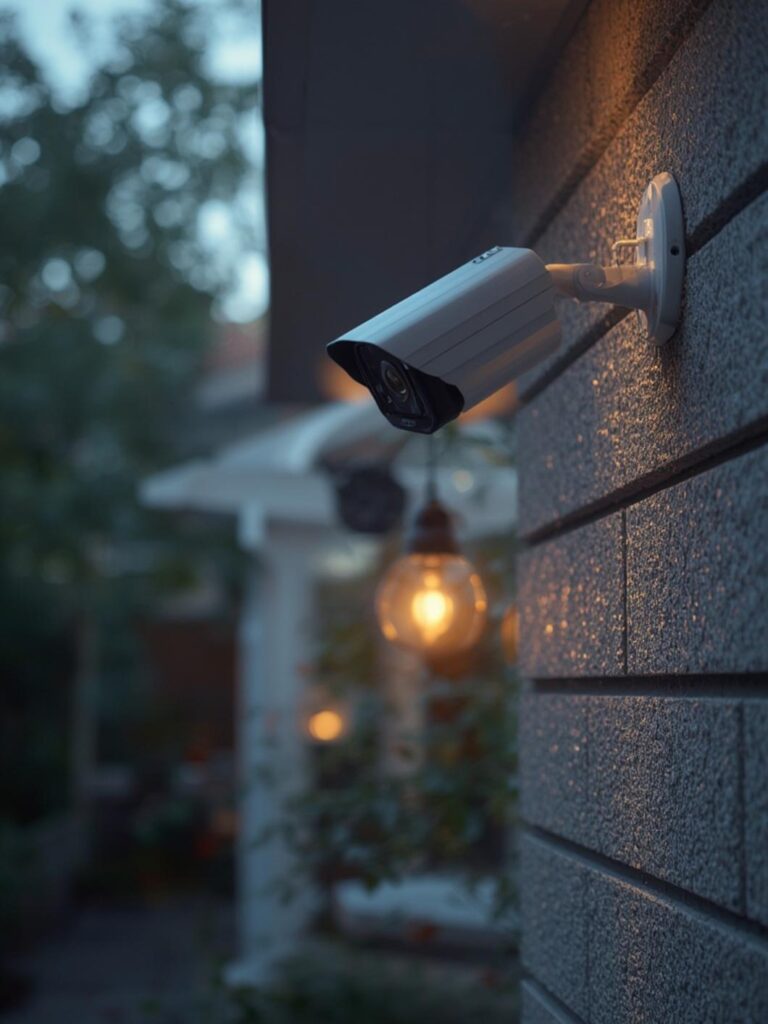
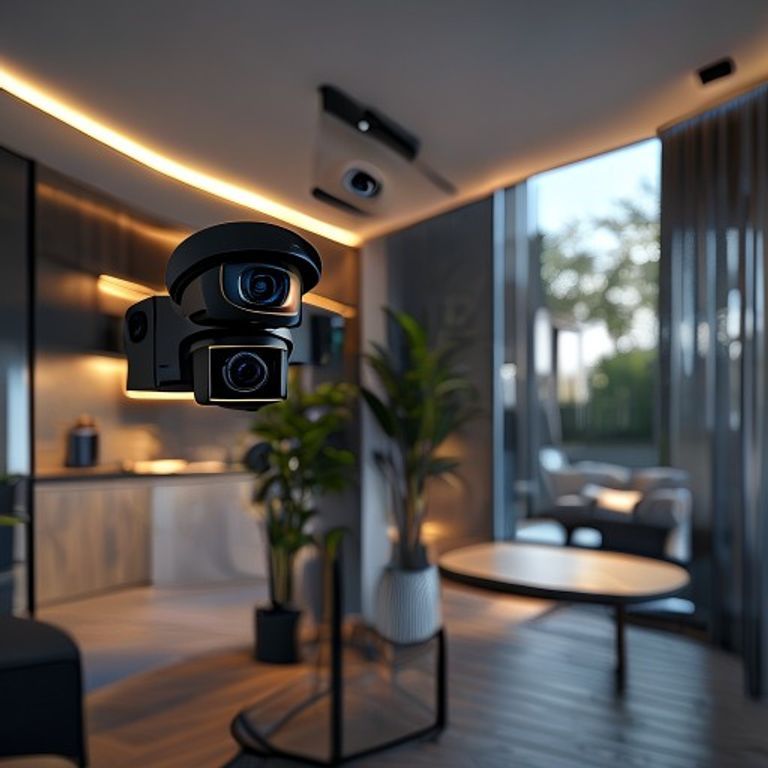
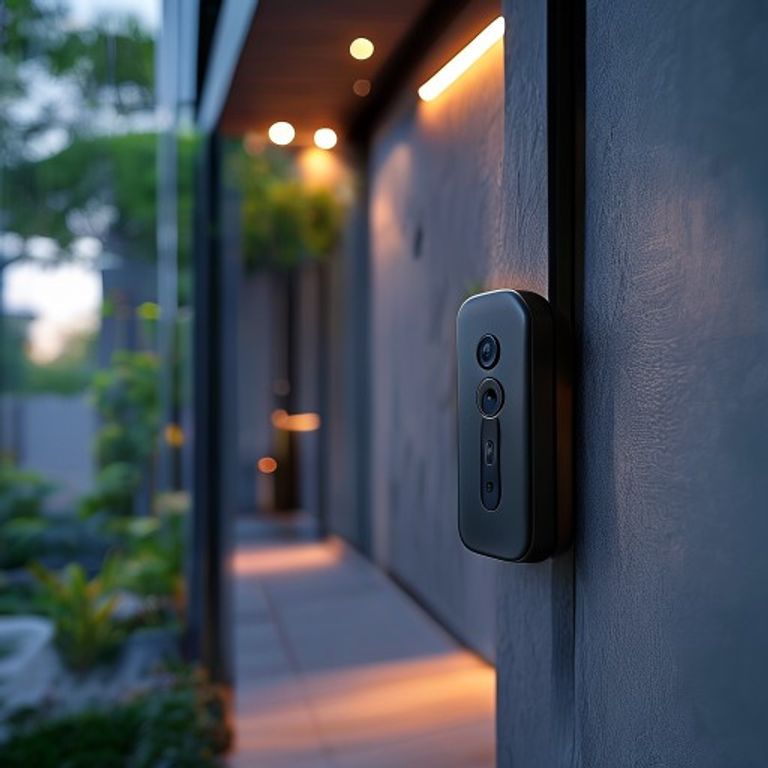
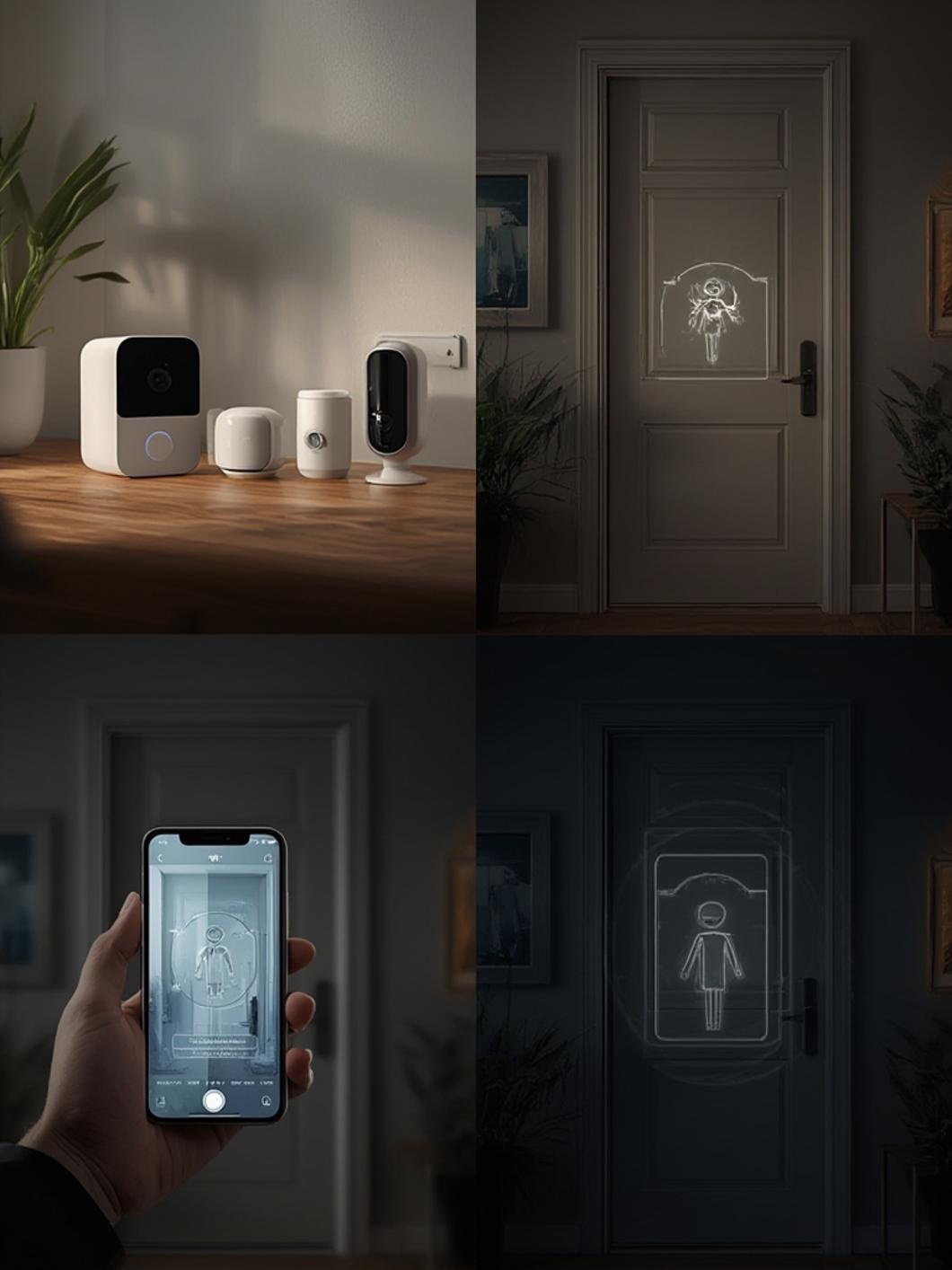
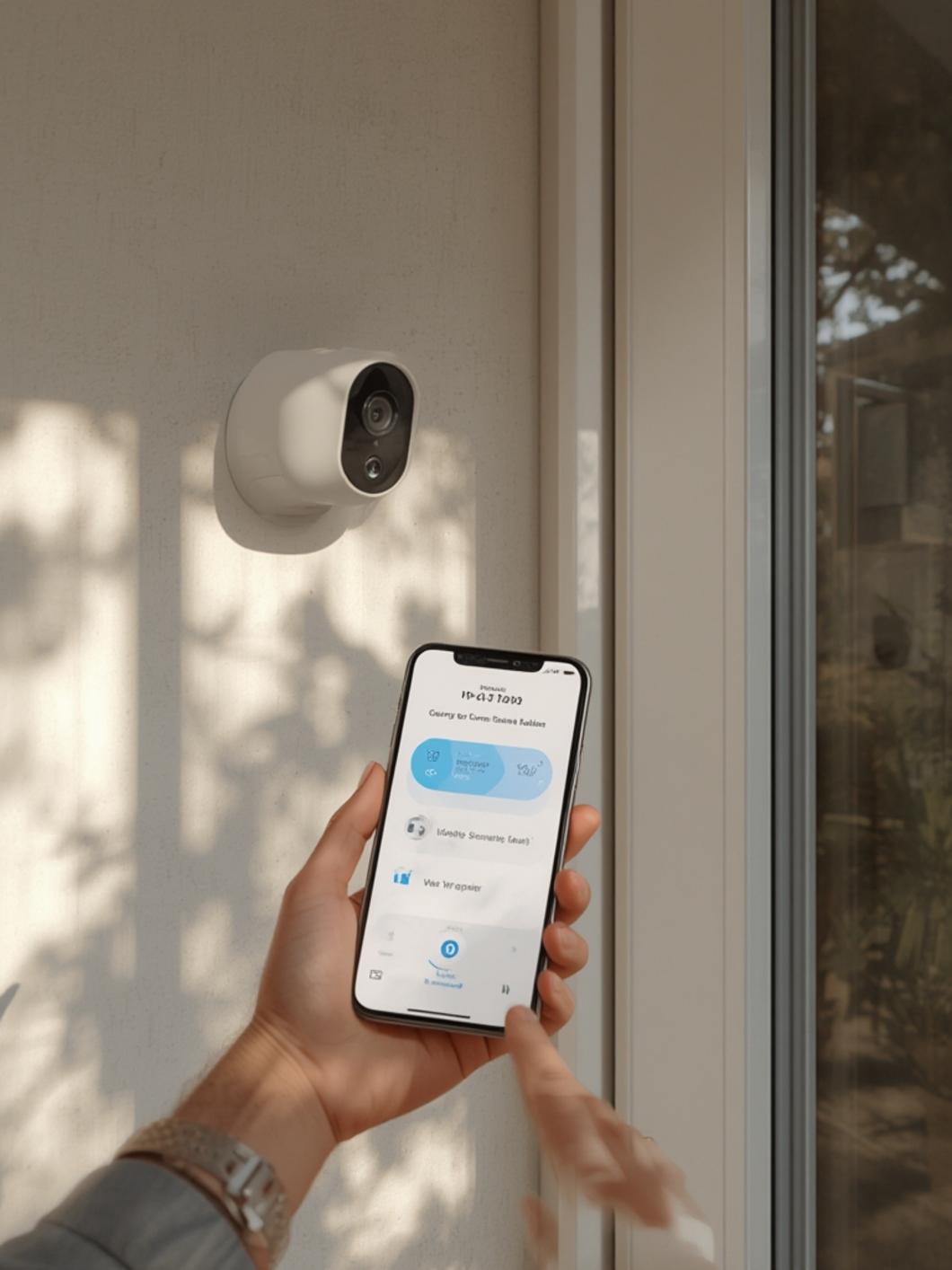
To build a resilient security network, you need the right hardware foundation. Start with HD smart cameras featuring night vision and two-way audio. An AI-powered central hub is essential; this brain processes video feeds locally to reduce latency. Include motion sensors near entryways to trigger immediate responses. Smart locks are crucial for controlling access remotely, ensuring no unauthorized entry occurs. Finally, download the dedicated mobile app on your smartphone for real-time notifications. Optional items include weatherproof junction boxes for outdoor units and backup battery packs to maintain operation during power outages.
Timing / Installation Schedule
Planning your timeline minimizes disruption to daily life. Preparation typically takes one day, involving the purchase of equipment and network testing. The actual setup period varies from three to six hours depending on the number of devices. Most systems activate within twenty minutes after scanning. For larger properties, expect the process to span a full weekend. If you choose cloud-based processing, expect a slightly longer setup for account verification compared to local edge computing solutions which act instantly upon connection.
Step-by-Step Instructions
Installing the system requires precision and patience. Follow these actionable steps to ensure a secure environment. First, mount cameras at eye level to capture faces accurately, avoiding glare from lights or shadows. Next, pair your central hub with the router using an enclosed wireless signal. Configure motion zones to ignore pets or swinging tree branches. When setting up the home assistant, link it to your existing credentials to prevent unauthorized access to your dashboard. Afterward, create automation rules that trigger lights when motion is detected after dark. Finally, ensure your smart home integration is complete by connecting the system to your voice assistants. Test every device to confirm notifications arrive instantly on your phone.
Security & AI Advantages
The benefits of this technology extend far beyond simple recording. Enhanced protection comes from pattern recognition; the system distinguishes between a delivery driver and a potential intruder before sending an alert. Automation allows for instant actions, such as locking doors or calling emergency services, without human intervention. Remote monitoring ensures you can view your property from anywhere globally. This results in significant peace of mind for homeowners traveling frequently.
Tips, Alternative Methods, or Installation Advice
Consider DIY installation if you are tech-savvy, or hire a pro for intricate wiring. Cloud processing offers easier backups, while local AI provides better privacy since data never leaves your house. For small spaces, use multi-functional sensors that combine motion and temperature checks. In climates with rain or snow, invest in IP66-rated outdoor cameras. Integrate these tools with existing smart lighting for a cohesive system rather than isolated gadgets.
Common Mistakes to Avoid
Several pitfalls can compromise your system’s effectiveness. Failing to change default passwords is a major security risk that hackers exploit easily. Poor camera placement, such as pointing directly at a light source, blinds the lens. Ignoring firmware updates leaves vulnerabilities open to new threats. To solve these, create complex passphrases, angle cameras carefully, and schedule monthly security patches.
Storage / Maintenance Tips
Maintenance keeps your investment running smoothly. Store footage securely on an encrypted external drive or a private cloud server. Clean camera lenses monthly to prevent dust accumulation that blurs footage. Perform a system check every quarter to ensure all sensors respond correctly. Update firmware immediately when notifications appear. Regular checks ensure no lag exists in video streaming or alert delivery times.
Conclusion
Implementing AI-driven smart home security is a vital step toward modern living. It transforms your property into a proactive defense center, ready to handle threats before they materialize. By leveraging the right tools, you secure your loved ones and assets effectively. We encourage you to adopt this technology and experience the difference in safety. Share your setup experience in the comments below and explore related posts on digital privacy. A well-configured home assistant is your first line of defense. Ultimately, a connected home relies on seamless smart home integration for true efficiency and security.
FAQs
How much does AI security cost?
Costs vary, but a basic system typically starts between $200 and $500 depending on connectivity.
Can I access cameras from anywhere?
Yes, provided you have an internet connection and the correct app installed on your mobile device.
Is professional installation required?
Most systems are designed for DIY, but complex setups may benefit from professional help.
Does this system save energy?
Yes, automation can turn off lights or climate control when the house is empty, reducing utility bills.
What happens if the internet goes down?
Local storage systems continue recording during outages and sync once the connection is restored.