2024 Essential Guide to AI Home Security Cameras
I remember when home security meant staring at grainy footage of a raccoon stealing the trash. Traditional motion sensors just blast your phone with pointless alerts every time a tree branch sways. You end up ignoring the very system you bought to protect your family. However, technology finally offers a better way to protect your property with AI home security cameras. I think these devices actually understand what they see, unlike the old dumb cameras.
Instead of dumb motion detection, AI home security cameras distinguish between a stray cat and a dangerous intruder. Therefore, you only receive alerts that genuinely matter. I want to explain why AI home security cameras deserve a spot on your property this year. We need to cut through the marketing jargon and look at the actual features that keep your family safe.
Why You Need AI Home Security Cameras
Old-school cameras force you to babysit your video feed. I hate spending hours reviewing footage just to find out the wind triggered my porch light. AI home security cameras eliminate this massive headache. They analyze footage on the spot and filter out the noise. As a result, you save time and reduce anxiety.
In addition, these intelligent devices learn your neighborhood rhythms. They recognize familiar faces and frequent visitors. When a stranger approaches your door, the AI home security cameras immediately flag the anomaly. You no longer have to guess if a shadow poses a threat. The system tells you exactly what happened.
Traditional systems also suffer from severe latency issues. By the time an old camera detects motion and sends an alert, the person might already be gone. However, AI home security cameras process data instantly. They identify threats in milliseconds, giving you precious time to react or call the authorities.
How AI Home Security Cameras Stop False Alarms
False alarms destroy your trust in a security system. If your phone buzzes fifty times a day, you will eventually swipe away the notifications. I know I did. This habit defeats the entire purpose of owning a camera. Therefore, AI home security cameras solve this problem by using advanced object detection algorithms.
Instead of merely detecting pixels changing, the camera identifies specific objects. It knows the difference between a human, a vehicle, and an animal. Therefore, a passing car or a wandering dog will not trigger an emergency alert. You only hear the siren when an actual person trespasses on your lawn.
The technology relies on deep neural networks trained on millions of images. When the lens captures a scene, the processor breaks it down into distinct elements. It categorizes shapes, sizes, and movement patterns. In addition, it constantly refines its understanding based on new data. I find that AI home security cameras get smarter the longer you own them.
This intelligence extends to weather conditions as well. Rain, snow, and fog often trick standard infrared sensors. However, modern AI home security cameras filter out visual noise caused by bad weather. You receive accurate alerts regardless of the elements outside.
Edge vs Cloud Processing
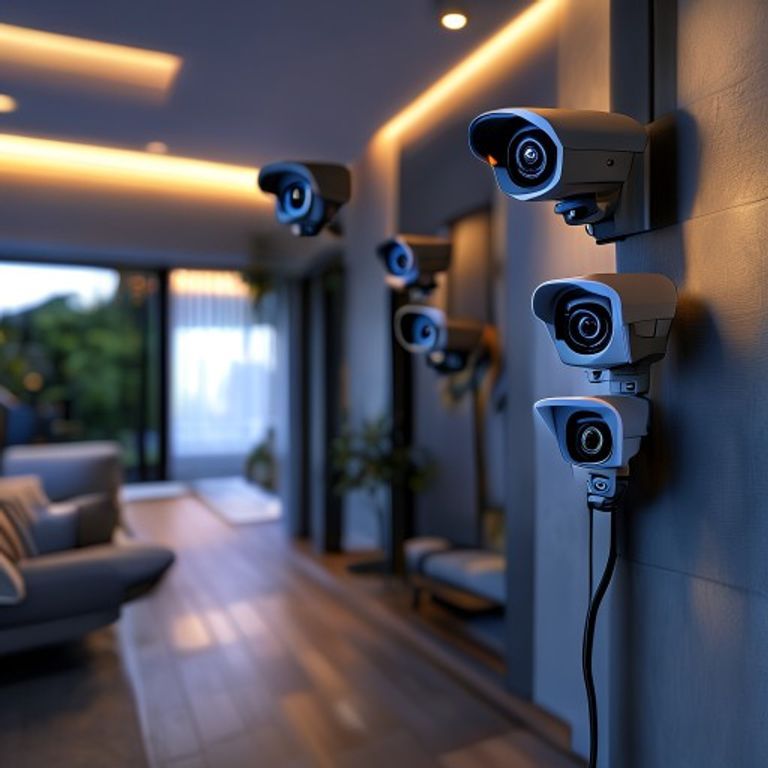
When you shop for AI home security cameras, you must choose between edge and cloud processing. Cloud cameras send your video to remote servers for analysis. This process requires a strong internet connection and usually demands a monthly subscription fee. However, cloud processing often provides superior analytical power because servers hold massive databases.
On the other hand, edge processing handles everything locally on the device itself. The camera analyzes the video right inside your house. Therefore, edge devices continue working even if your Wi-Fi drops. In addition, local processing keeps your data private because nothing leaves your network. I strongly prefer this method. You can learn more about this technology on our edge AI home security page.
Latency represents another major difference. Cloud processing takes a few seconds to upload video, analyze it, and send an alert. Edge processing happens instantly. When a threat appears, AI home security cameras react immediately. This speed difference matters greatly during emergencies.
Ultimately, your choice depends on your internet reliability and privacy preferences. If you want top-tier analytics and do not mind subscriptions, choose cloud. If you value privacy and offline reliability, choose edge. Many modern AI home security cameras offer a hybrid approach, which I think is the smartest choice.
The Privacy Trade-off
Smart cameras collect highly sensitive data. When you point a lens at your front yard, you capture more than just intruders. Cloud-based cameras often store your footage on company servers. Hackers occasionally target these centralized servers to steal private video feeds. In addition, some companies share user data with third parties for advertising purposes, which I find unacceptable.
Therefore, you must read the privacy policy before buying any camera. Look for brands that offer end-to-end encryption. This security measure scrambles your video so only you can view it. Even the camera manufacturer cannot access the feed. SafeHome.org provides excellent resources on how security companies handle your private data.
Physical privacy matters just as much as digital privacy. Many people feel uncomfortable placing an internet-connected camera inside their bedroom or living room. Therefore, models with physical privacy shutters offer great peace of mind. When you do not need monitoring, the lens physically blocks itself from viewing anything.
You should also consider local storage options. MicroSD cards store footage directly on the device. This method keeps your video off the internet entirely. If a hacker breaches your network, they still cannot access your recorded clips. I always recommend local storage for AI home security cameras.
Top Features in Modern AI Home Security Cameras
Not all smart cameras offer the same intelligence. Some devices barely qualify as AI home security cameras, while others pack serious computing power. You need to look for specific features that actually improve your safety. Do not settle for basic motion alerts.
Facial recognition is a crucial feature. The camera learns the faces of your family members and frequent guests. When your kids arrive home from school, the system logs the event without sounding an alarm. However, when an unrecognized face appears, it sends you an instant warning. Check out CNET’s camera reviews to find models with accurate facial recognition.
Another crucial feature is smart zoning. Older cameras alert you whenever motion happens anywhere in the frame. This creates annoying false alarms from street traffic. Modern AI home security cameras let you draw activity zones. You tell the camera to ignore the busy sidewalk and focus only on your driveway. As a result, you gain precise control over your alerts.
Auto-tracking also adds tremendous value. When a camera detects an intruder, it automatically follows the person across your property. The lens physically moves to keep the threat in view. Therefore, you capture crucial details like clothing and license plates. I consider this feature a necessity for large properties.
Two-way audio combined with AI creates powerful communication tools. The camera can distinguish a visitor from a threat and play a pre-recorded message. It might ask a delivery driver to leave a package, or warn a trespasser to leave. In addition, you can speak directly through the app whenever you want.
Choosing the Best AI Home Security Cameras for Your Property
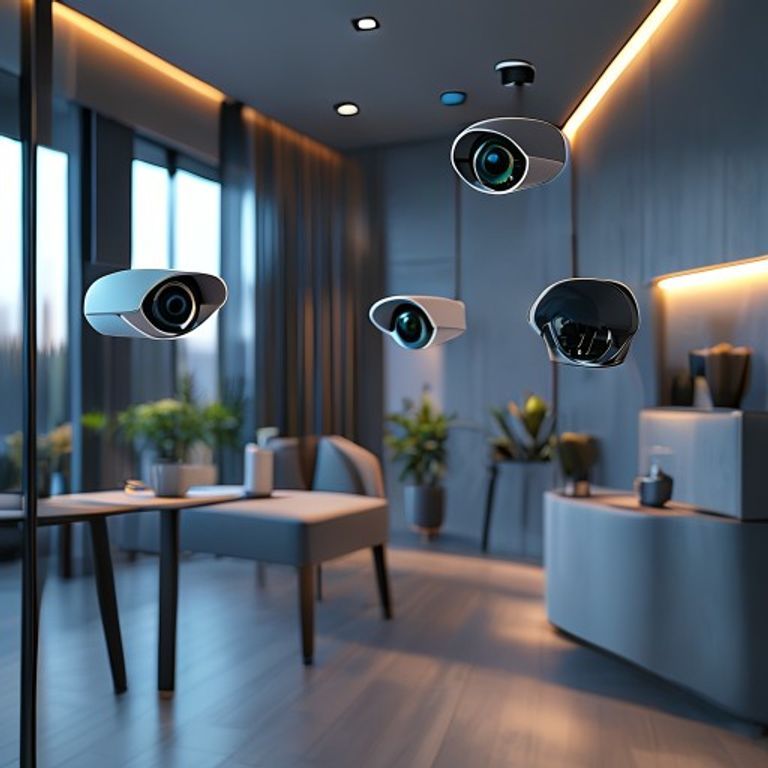
Finding the right camera depends heavily on your property layout. A sprawling rural estate requires different gear than a compact urban apartment. You must assess your specific vulnerabilities before spending any money. Think about the entry points a criminal would actually use.
For outdoor use, you need rugged AI home security cameras with weatherproof housing. Look for IP65 or IP66 ratings to ensure the device survives rain and extreme temperatures. In addition, night vision remains essential. Color night vision provides much better detail than traditional infrared. You can read more about setting up a complete system on our smart home security guide.
Indoor cameras prioritize discretion and privacy. Many people feel uncomfortable placing a camera inside their home. Therefore, models with physical privacy shutters offer peace of mind. When you do not need monitoring, the lens physically blocks itself. In addition, indoor cameras often feature two-way audio so you can communicate with pets or kids directly.
Battery life dictates where you can place wireless cameras. Some models last six months on a single charge, while others die in two weeks. I always check TechRadar because they consistently test battery life and highlight which cameras actually meet their advertised claims. Always choose a camera that matches your charging convenience.
Video resolution determines how useful your footage actually is. A cheap 720p camera produces blurry images that police cannot use. You want at least 1080p resolution from your AI home security cameras. However, 2K or 4K resolution captures license plates and faces from much farther away.