Quick way to grow 5 best smart home hubs
The Future of Home Protection: AI‑Powered Security Made Simple
Ever wondered how much safer your home could be if it thought like a guard dog, a security camera, and a seasoned detective—all at once? AI‑driven smart home security is the answer, turning ordinary devices into a proactive shield that learns, adapts, and reacts in real time.
In the next few minutes, you’ll discover why embracing this technology is no longer a luxury but a necessity for modern households. And if you’re ready to upgrade, the first step is choosing the right platform—whether you’re after the best smart home hubs or need a thorough smart home hub comparison to make an informed decision.
—
Table of Contents
Materials & Supplies
| Device / Tool | Why It Matters | Optional Alternatives |
|—|—|—|
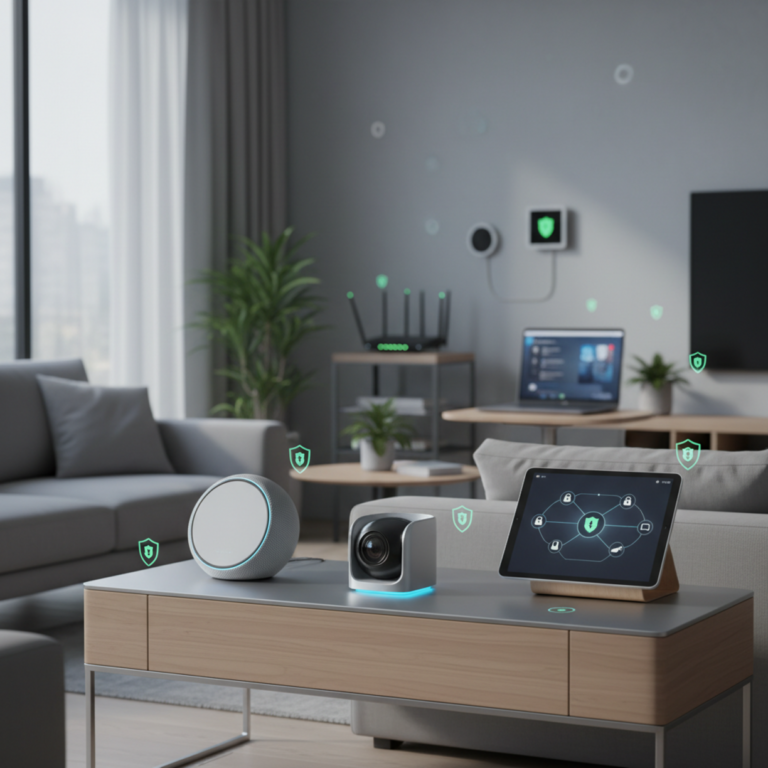
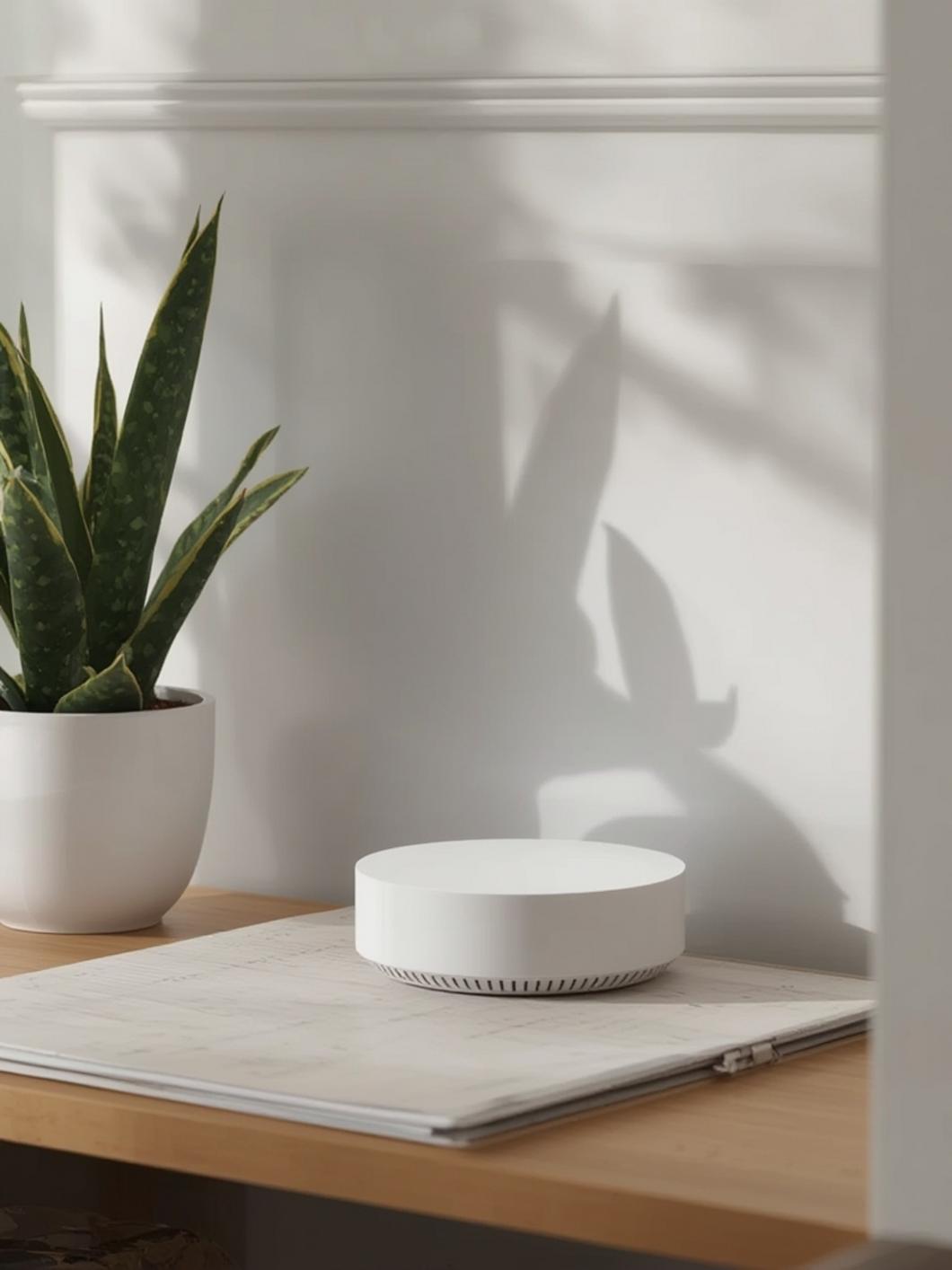
| AI‑powered hub (e.g., Amazon Echo Show, Google Nest Hub, Apple HomePod) | Central brain that processes video, motion, and voice data. | Dedicated local‑AI hub like Hubitat Elevation. |
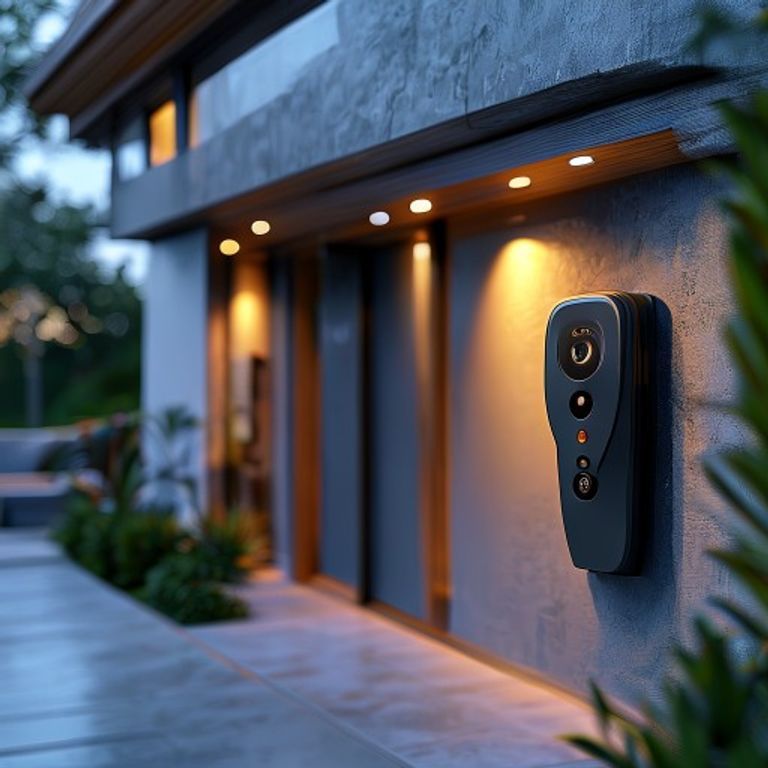
| Smart cameras (indoor & outdoor) | Continuous visual monitoring; AI can detect people, pets, or vehicles. | Wi‑Fi doorbells with built‑in cameras. |
| Motion & presence sensors | Detect movement in blind spots where cameras may not be optimal. | Infrared beam sensors for doorways. |
| Smart locks (Z‑Wave or Wi‑Fi) | Enable keyless entry and remote lock/unlock with AI‑driven alerts. | Traditional deadbolts paired with Bluetooth adapters. |
| Mobile app (iOS/Android) | Real‑time alerts, remote control, and AI‑trained behavior logs. | Web dashboard for desktop access. |
| Power adapters & backup battery | Guarantees uptime during outages. | Solar‑powered backup modules. |
| Secure Wi‑Fi router | Provides the bandwidth and encryption needed for AI data streams. | Mesh network units for larger homes. |
Each component interacts through the hub, creating an ecosystem that learns your routines and flags anomalies instantly.
—
Timing / Installation Schedule
| Phase | Duration | What to Expect |
|—|—|—|
| Preparation | 30‑45 minutes | Unbox devices, label cables, ensure strong Wi‑Fi coverage. |
| Hardware Installation | 1‑2 hours | Mount cameras, install sensors, replace or retrofit locks. |
| Hub Configuration | 20‑30 minutes | Connect hub to network, install companion apps, run AI onboarding wizard. |
| AI Training / Activation | 10‑15 minutes (first run) | System learns baseline patterns; may take a few days to refine detection thresholds. |
| Full Operational Status | 24‑48 hours | All alerts, automations, and remote controls become reliable. |
Planning ahead helps you avoid rush‑hour service calls—most DIY setups can be completed within an afternoon.
—
Step‑by‑Step Instructions
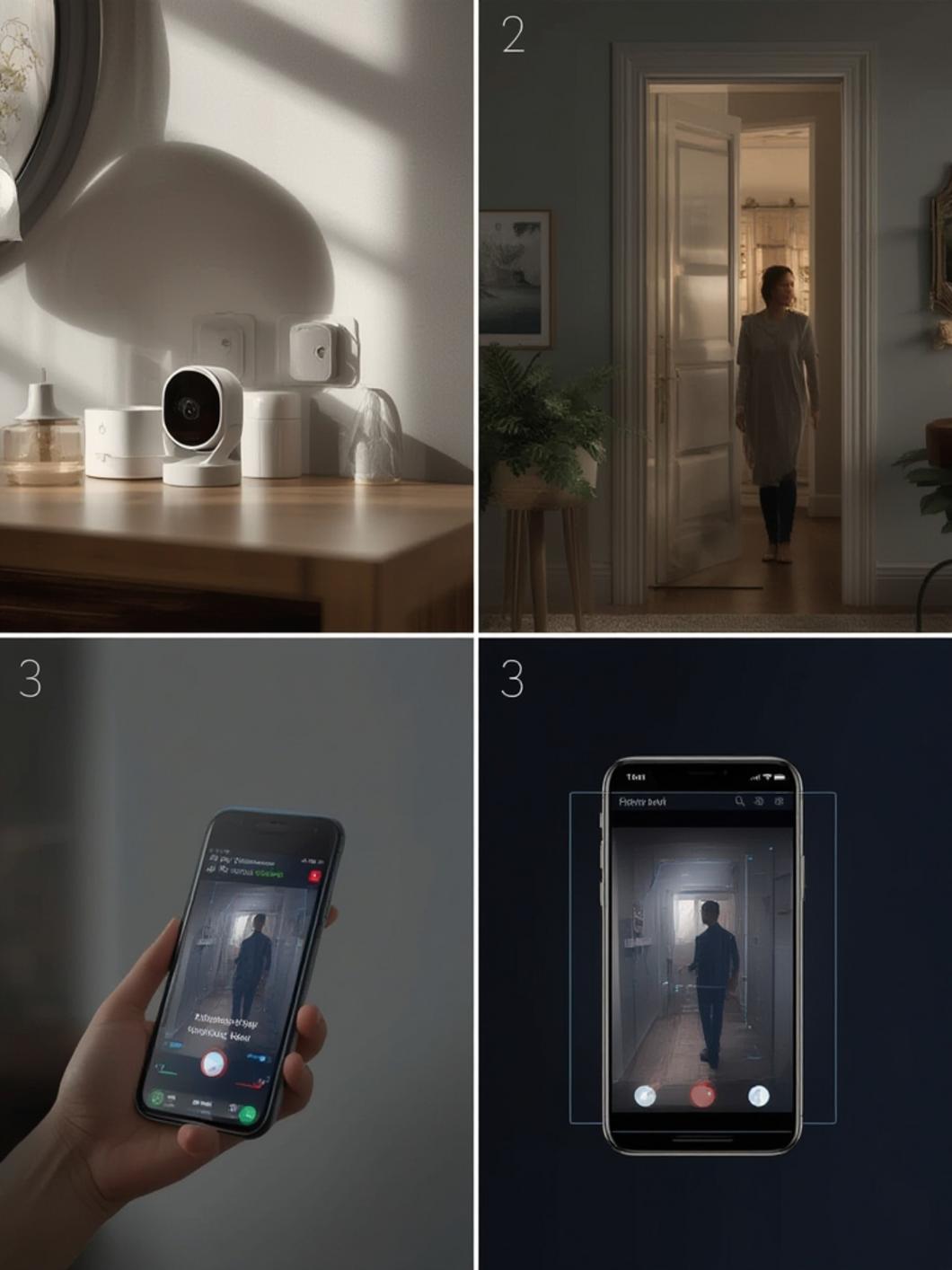
1. Map Your Perimeter – Sketch a floor plan and note entry points, blind spots, and high‑value zones. This visual guide will dictate where cameras and sensors belong.
2. Mount the Cameras – Use the supplied brackets; aim for a 30‑degree downward tilt to capture doorways and driveways. Test the live feed in the app before moving on.
3. Install Motion Sensors – Place them at waist height near windows and hallways. Pair each sensor with the hub via the app, assigning clear labels (e.g., “Living‑Room Motion”).
4. Replace or Retrofit Locks – Follow the manufacturer’s guide; most smart locks require a simple screwdriver. Once installed, add them to the hub’s device list.
5. Connect the AI Hub – Plug the hub into a power outlet, connect it to your router via Ethernet (recommended for stability), and run the initial setup wizard. During this phase, you’ll encounter the best smart home hubs options and can evaluate them against the smart home hub comparison checklist you prepared earlier.
6. Enable AI Features – Turn on object detection, facial recognition (if privacy‑friendly), and anomaly alerts. Set thresholds for “high‑risk” events (e.g., unknown face at front door after dark).
7. Create Automation Rules – Example: “If motion detected on the driveway after 10 PM, turn on porch light and send push notification.” Test each rule to verify response times.
8. Secure the System – Change default passwords, enable two‑factor authentication, and whitelist trusted devices.
9. Run a Test Drill – Simulate a breach (e.g., open a window) and watch the AI respond. Fine‑tune sensitivity if you receive false positives.
Following these steps, you’ll have a fully operational AI‑driven security network that continuously learns from your household’s unique patterns.
—
Security & AI Advantages
– Predictive Threat Detection – AI identifies unusual motion patterns before an actual intrusion occurs.
– Context‑Aware Alerts – Distinguishes between a family pet and a potential intruder, reducing notification fatigue.
– Remote Command Execution – Lock doors, turn on lights, or sound alarms from any smartphone, even when you’re abroad.
– Data‑Driven Insights – Monthly reports show entry attempts, sensor uptime, and system health, helping you make informed upgrades.
– Scalable Ecosystem – New devices integrate seamlessly, and AI models improve with each added sensor.
These benefits translate into genuine peace of mind—your home becomes a living, learning guardian.
—
Tips, Alternative Methods, or Installation Advice
– DIY vs. Professional – DIY saves money but may miss optimal sensor placement. Professionals guarantee coverage and can program advanced automations.
– Cloud vs. Local AI Processing – Cloud offers continuous model updates; local processing ensures privacy and reduces latency. Hybrid models give the best of both worlds.
– Indoor vs. Outdoor Setups – Outdoor cameras need weather‑proof housings and infrared night vision; indoor devices can rely on ambient lighting.
– Small Spaces – Use corner‑mounted cameras with wide‑angle lenses; combine motion sensors with smart bulbs to illuminate blind spots.
– Seasonal Adjustments – In winter, add snow‑resistant covers; in summer, ensure ventilation to prevent overheating of hubs.
Adapt the system to your lifestyle, climate, and budget for maximum efficacy.
—
Common Mistakes to Avoid
| Mistake | Consequence | Solution |
|—|—|—|
| Weak passwords | Easy for hackers to breach. | Use long, random passwords and enable 2FA. |
| Improper sensor placement | Blind spots or false alerts. | Follow manufacturer’s field‑of‑view guidelines; test each sensor. |
| Outdated firmware | Vulnerabilities and reduced AI accuracy. | Schedule automatic updates or check weekly. |
| Ignoring network security | Bandwidth throttling or unauthorized access. | Separate IoT devices on a dedicated VLAN. |
| Neglecting privacy settings | Unwanted data sharing. | Review data retention policies; opt for local storage if possible. |
Addressing these pitfalls early ensures a resilient security architecture.
—
Storage / Maintenance Tips
– Firmware Updates – Enable auto‑update for cameras, locks, and the hub. Manually verify after major OS releases.
– Data Retention – Store critical footage on encrypted local NAS; use cloud for redundancy with a 30‑day retention policy.
– Physical Cleaning – Wipe lenses weekly with a microfiber cloth; keep sensor lenses free of dust.
– Routine Health Checks – Run the hub’s diagnostics monthly; replace batteries in motion sensors before they dip below 20 %.
– Backup Configurations – Export automation rules and device settings; keep a copy offline for quick recovery after a hardware failure.
Consistent upkeep prolongs device lifespan and keeps AI models accurate.
—
Conclusion
Integrating AI into your home’s security system isn’t just a tech trend—it’s a practical, cost‑effective way to safeguard what matters most. By selecting appropriate hardware, following a systematic installation, and maintaining the ecosystem, you’ll enjoy a proactive, intelligent shield that evolves with you. Ready to see the difference? Begin with the best smart home hubs and use a thorough smart home hub comparison to match your needs.
Take action today: install your AI hub, configure at least one automation rule, and share your experience in the comments or on social media. Your feedback helps the community refine best practices and inspires others to join the smart‑home revolution.
—
FAQs
1. How much bandwidth does an AI‑driven security system consume?
Typical cameras stream 2–4 Mbps each; a hub with local AI processing reduces cloud upload to under 1 Mbps for analytics only.
2. Can I integrate existing non‑smart locks with the hub?
Yes—use a Z‑Wave or Zigbee adapter that converts mechanical locks into smart devices.
3. What privacy safeguards exist for facial recognition?
Most reputable hubs store facial data locally, and you can delete profiles at any time via the app settings.
4. How reliable is AI detection in low‑light conditions?
Infrared night vision combined with AI models achieves over 90 % accuracy after a brief learning period.
5. Do I need a separate subscription for AI features?
Some platforms offer basic AI for free; advanced analytics or extended cloud storage may require a monthly plan.
—