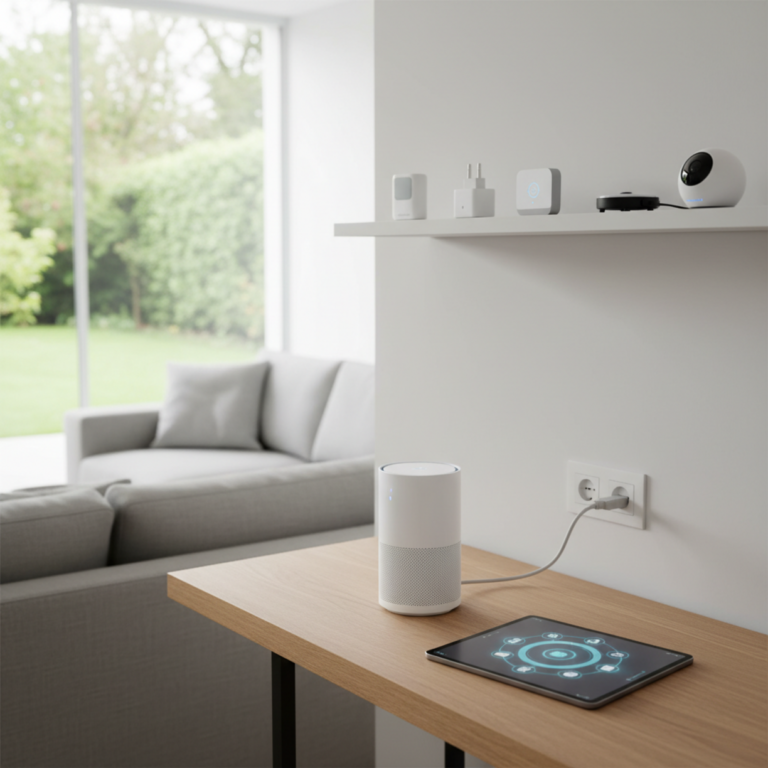
2024 Essential Guide to AI Home Security Systems
Old security cameras dump hours of useless footage straight onto your phone. A leaf blows across the lawn, and your app screams about an intruder. You check the feed, see nothing, then mute the notifications. I hate this endless cycle; it defeats the entire purpose of a smart home. You need technology that tells the difference between a raccoon and a real threat. Enter AI home security systems. These setups use artificial intelligence to filter out noise and deliver real alerts. In 2024, upgrading your home protection means moving past basic motion sensors. Therefore, you must understand how AI home security systems change your daily peace of mind.
Traditional setups force you to do the detective work. You review footage and squint at grainy images to guess what happened. You waste precious hours reviewing false alarms instead of living your life. I think modern tech handles the detective work for you. It recognizes threats and sends smart summaries directly to your pocket. As a result, you save hours of frustration every single week.
Why Traditional Alarms Fail and AI Home Security Systems Succeed
Traditional alarms rely on outdated technology that cannot distinguish specific objects. A basic motion detector cannot tell a person from a passing shadow. Therefore, your phone buzzes constantly with false alarms. Over time, you start ignoring these notifications entirely. False alarms render systems completely useless. However, AI home security systems solve this annoying problem with ease. They analyze shapes and movement patterns. The system identifies a human instantly and ignores a stray dog. As a result, you only receive alerts that actually matter. You regain trust in your AI home security systems.
Old systems also suffer from slow response times. They detect motion and send a signal to a cloud server to wait for a response. This delay wastes critical seconds during a break-in. I prefer smart technology because it processes data instantly at the source. It acts immediately when danger arises, giving you time to react.
How AI Home Security Systems Actually Work
You might think artificial intelligence requires massive cloud servers to function. In the past, cameras uploaded every second of video to the internet for analysis. This process caused annoying lag and serious privacy headaches. Today, manufacturers build AI chips directly into the cameras themselves. This local processing method is edge computing. It allows the device to make split-second decisions without waiting for a distant server. Our page on edge AI home security explains this tech in deep detail. When AI home security systems detect movement, the onboard chip analyzes the frame. If it spots a person, it sends an alert immediately. In addition, if it sees a car driving by, it stays quiet.
Edge computing is a huge improvement for home defense. It cuts out the middleman and protects your privacy. Your video feeds never leave your property unless you explicitly share them. I believe this architecture provides speed and security that old systems simply lack.
Top Features to Expect from Smart Cameras
When you shop for a new setup, you should look for specific capabilities. Not all smart cameras offer true artificial intelligence. Some merely slap a smart label on basic pixel-detection software. You need real intelligence that learns and adapts. Therefore, you want features that reduce your daily hassle. Let us explore the top features that separate premium AI home security systems from basic webcams. CNET regularly tests these features, and I agree that smart detection matters most.
Person and Vehicle Detection
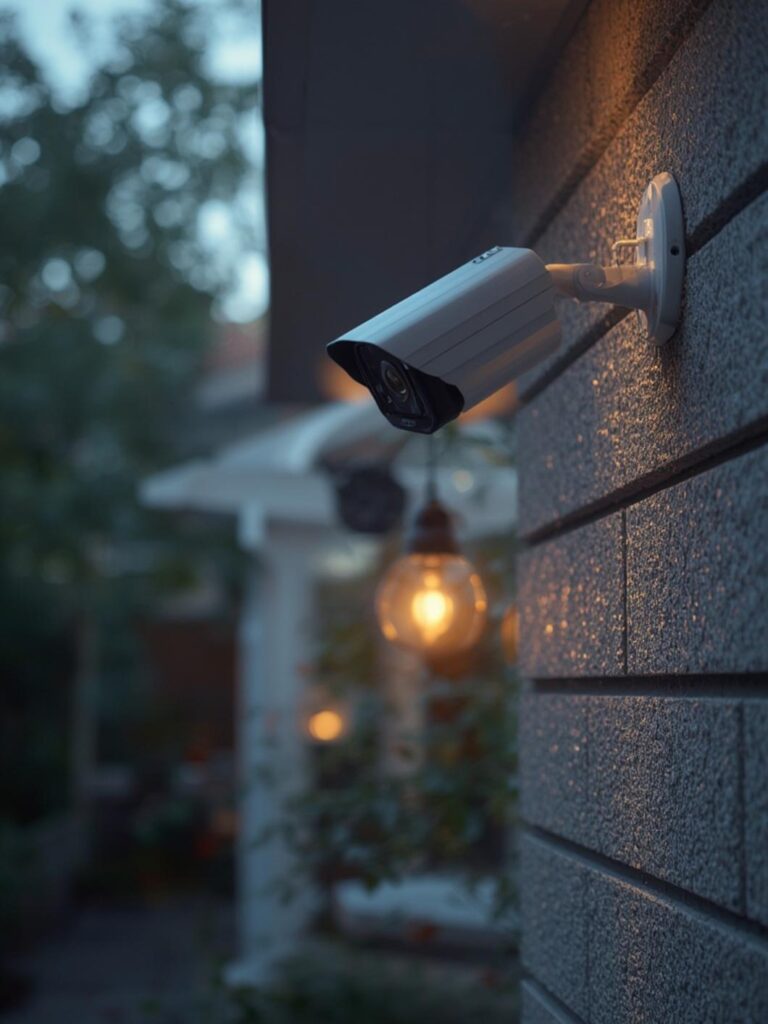
Basic cameras detect motion across a grid of pixels. When pixels change, the camera triggers an alarm. AI home security systems work differently. They use object recognition to identify specific shapes. The camera knows the difference between a swaying tree branch and a walking human. In addition, it can distinguish a passing vehicle from someone parking in your driveway. You set the rules. You can tell the system to ignore cars but alert you about people. Therefore, you control exactly what triggers your AI home security systems.
Vehicle detection adds another layer of customized protection. You can monitor delivery trucks or suspicious vans lingering near your property. The system logs every vehicle that enters your property line. I think this log helps police if a crime ever occurs on your street. AI home security systems are great for this.
Facial Recognition and Smart Alerts
Person detection is great, but facial recognition takes security to another level. AI home security systems can learn the faces of your family members. When your kid arrives home from school, the camera recognizes them. It logs the event without blasting your phone with a panic alert. However, if an unrecognized face appears at the front door, the system flags it immediately. You get a specific notification saying an unknown person lurks nearby. This feature drastically reduces my anxiety when I travel for work.
You train the system by naming familiar faces in the companion app. Over time, the camera gets smarter. It learns to tell the difference between identical twins. It spots the postman and automatically categorizes him as a recurring visitor. AI home security systems are very useful here.
Edge Processing for Faster Response
We mentioned edge processing earlier, but its impact is huge. Cloud-based cameras suffer from internet outages. If your connection drops, your camera goes blind. Smart cameras with edge processing keep working offline. The onboard chip continues to detect threats even without Wi-Fi. In addition, edge processing reduces your cloud storage costs significantly. The camera only uploads important clips, saving your bandwidth and your money. AI home security systems are a smart investment.
Local processing also eliminates the creepy factor. You do not want strangers accessing your private family moments. I like that edge computing keeps your data safely inside your house. You maintain total control over your personal information.
Choosing the Best Setup for Your Property
Selecting the right gear depends heavily on your property and your budget. You must decide between wired and wireless setups. Wired systems offer unmatched reliability and constant power. However, they require professional installation and cost more upfront. Wireless AI home security systems provide flexibility and easy installation. You can place cameras anywhere without drilling holes. In addition, wireless options let you move cameras as your needs change. Think about your home layout before you buy anything. Do you need outdoor perimeter coverage, or do you focus on indoor spaces? Check out our guide on smart home security for more setup tips.
Apartment dwellers usually prefer wireless options. They rent their spaces and cannot drill through walls. I think homeowners often choose wired systems for permanent peace of mind. Evaluate your living situation honestly before spending your money.
The Real Cost of Upgrading Your Defense
People often assume that advanced technology carries an exorbitant price tag. That assumption no longer holds true. The cost of AI home security systems has dropped significantly over the last two years. You can find excellent smart cameras for under a hundred dollars. Of course, premium models with edge computing and 4K resolution cost more. Therefore, you must factor in cloud storage subscriptions. Some brands charge monthly fees to store recorded clips. However, local storage options using microSD cards can eliminate those recurring fees. As a result, you save money in the long run.
Subscription models add up quickly over five years. A ten-dollar monthly fee becomes six hundred dollars eventually. Look for systems that offer free local recording. I promise you will thank yourself later when the bills arrive.
Cloud Storage vs Local Storage
Storage decisions make or break your long-term satisfaction. Cloud storage offers convenience and off-site backup. If thieves steal your camera, you still possess the footage. However, cloud services require monthly payments and strong internet. Smart cameras with local storage save money. You insert a memory card into the camera itself. The device records directly to the card without internet connectivity. Therefore, local storage provides excellent privacy and reliability for AI home security systems. You just need to swap the card when it fills up.
Some brands offer a hybrid approach. They record locally but upload critical events to the cloud. I like this dual method because it gives you the best of both worlds. You get reliability during internet outages and off-site backup for crucial evidence.
Privacy Concerns with Smart Technology
Any device with a camera and an internet connection raises valid privacy questions. You invite technology into your most personal spaces. Therefore, you must understand how companies handle your data. Some brands sell anonymized user data to third parties. Others encrypt video feeds end-to-end, ensuring only you can view them. SafeHome.org highlights the importance of choosing brands that prioritize user privacy. When you evaluate AI home security systems, read the privacy policies carefully. Look for options that offer two-factor authentication and local storage. You should control your own data.
Hackers target these devices often. However, you can stop them with good security habits.