The Complete Guide to Matter smart home explained
AI‑Driven Smart Home Security: Why It’s the Future of Peace of Mind
Ever wondered how you can keep your home safe while letting artificial intelligence do the heavy lifting? In an era where cyber‑threats and physical intrusions are evolving daily, integrating AI into your home security isn’t just a luxury—it’s a necessity.
By marrying machine learning with connected devices, homeowners gain real‑time alerts, predictive threat detection, and effortless remote control. Within the first 100 words, let’s explore the transformative power of AI and uncover two essential resources that will guide you through the journey: Matter smart home explained and how does matter work in smart homes. These links will serve as reference points as we walk you through everything you need to know.
Table of Contents
Materials & Supplies
Setting up an AI‑powered security ecosystem doesn’t require a full‑scale renovation—just a thoughtful selection of devices:
| Device | Primary Role | Why It Matters |
|——–|————–|—————-|
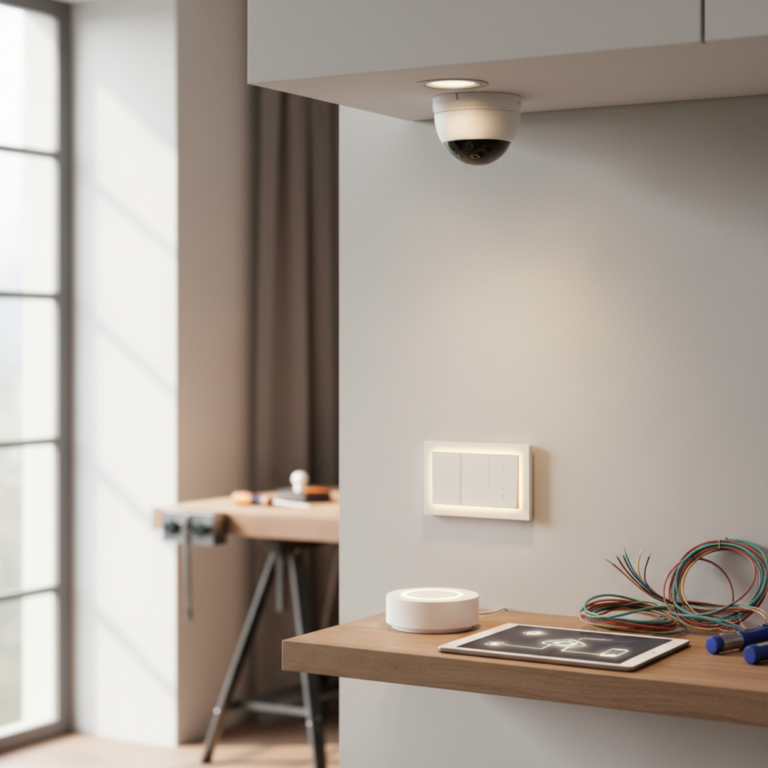
| Smart cameras (indoor & outdoor) | Visual monitoring, facial recognition | AI can differentiate family members from strangers. |
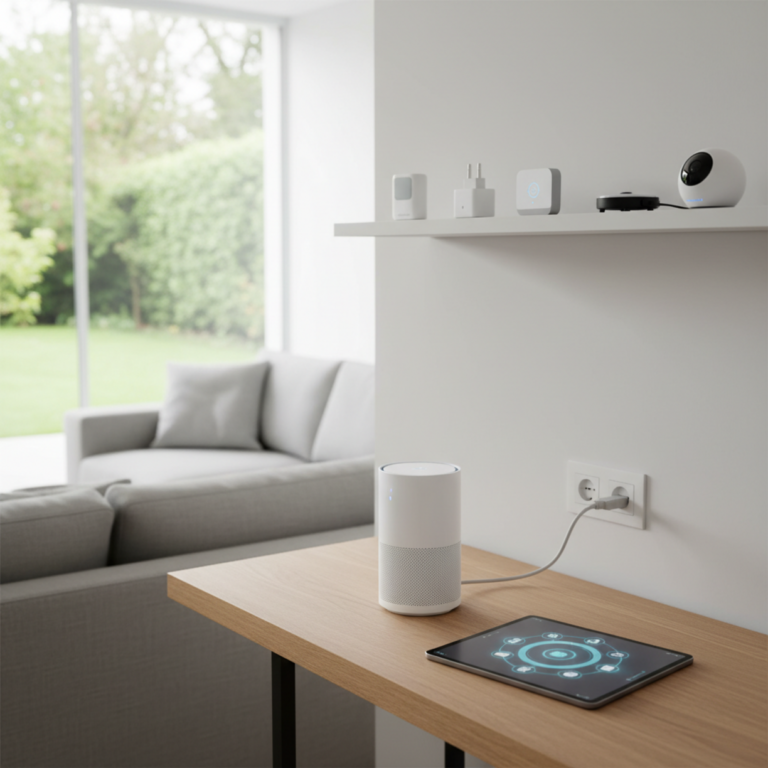
| AI‑powered hub (e.g., Amazon Echo Show, Google Nest Hub) | Central command center | Processes data locally, reducing latency. |
| Motion sensors (PIR, ultrasonic) | Detect movement, trigger alerts | Works even in low‑light conditions. |
| Smart locks (fingerprint, code‑based) | Secure entry points | Auto‑relock based on AI‑derived occupancy patterns. |
| Mobile security app | Remote access, notifications | Consolidates data from all devices. |
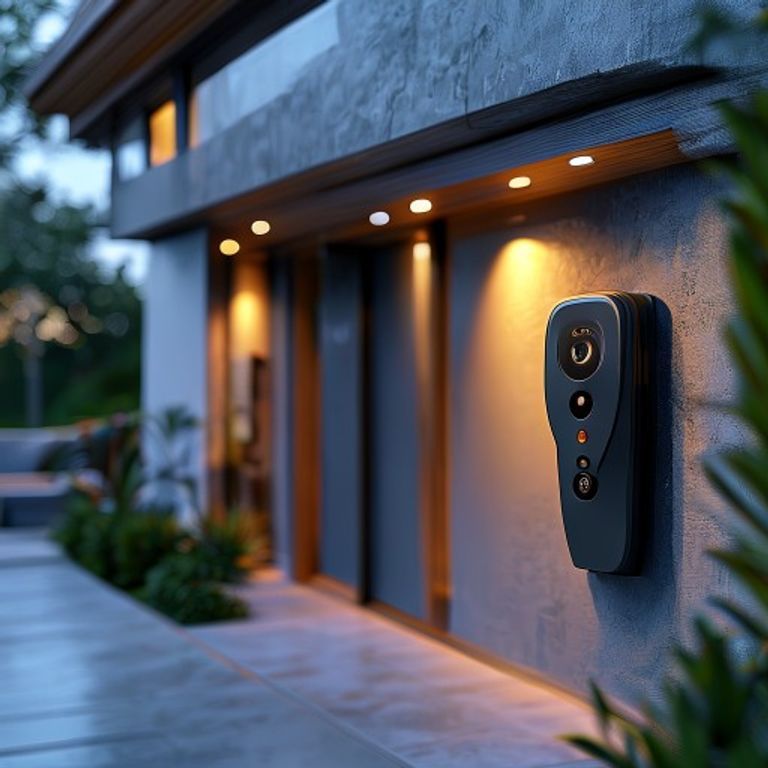
| Optional: Smart doorbell, environmental sensors (smoke, water) | Expand coverage | Adds layers of protection beyond intrusion. |
Each component should be compatible with the Matter standard to ensure seamless interoperability, which we’ll unpack later.
—
Timing / Installation Schedule
Planning your rollout helps avoid “analysis paralysis.” A realistic timeline looks like this:
| Phase | Duration | Key Activities |
|——-|———-|—————-|
| Preparation | 1–2 hours | Inventory devices, update firmware, map out Wi‑Fi coverage. |
| Physical Installation | 2–4 hours | Mount cameras, position sensors, install smart locks. |
| Network Configuration | 30 minutes | Connect devices to your router, assign static IPs where possible. |
| AI Calibration | 1–2 hours | Train facial‑recognition models, set motion‑sensitivity thresholds. |
| Testing & Go‑Live | 30 minutes | Simulate entry events, verify mobile notifications. |
If you’re juggling a busy schedule, consider a phased approach—start with cameras and locks, then layer in sensors and the hub.
—
Step‑by‑Step Instructions
Below is a concise roadmap that even a non‑technical homeowner can follow. The guide naturally incorporates both core concepts, reinforcing how the Matter ecosystem ties everything together.
1. Create a Central Hub Account
– Download the hub’s companion app and register a secure password (use a passphrase and enable two‑factor authentication).
– Tip: Choose a strong, memorable master password to avoid future lock‑outs.
2. Add Devices via Matter
– Power on each device and enable “Commissioning Mode.”
– In the hub app, select Add New Device → Matter → follow the on‑screen QR‑code scan.
– This step ensures you’re adhering to the latest interoperability guidelines, essentially covering what you need to know from Matter smart home explained.
3. Configure AI Functions
– For cameras, enable person detection and set up zone masking to avoid false alerts from pets.
– For motion sensors, adjust sensitivity based on room size—high‑traffic areas need lower sensitivity.
– Enable learning mode for 48 hours; the AI will recognize typical household patterns.
4. Integrate the “How Does Matter Work in Smart Homes” Knowledge
– Open the hub’s Help section and read the concise article offered at how does matter work in smart homes. Understanding the protocol’s device‑level encryption and command translation will help you troubleshoot connectivity hiccups.
5. Set Up Automated Routines
– Example: “When motion is detected at the front door after 10 PM, lock all doors and send a push notification.”
– Use IFTTT or built‑in hub automations to link security events with lighting or voice alerts.
6. Test the System Thoroughly
– Walk through each entry point, trigger sensors, and verify that alerts appear instantly on your phone.
– Review video footage to confirm AI accuracy; adjust detection thresholds if needed.
7. Finalize and Secure
– Disable default guest networks, rename SSID to a non‑identifiable name, and keep firmware up to date.
– Enable local AI processing when possible to reduce reliance on cloud services.
By following these steps, you’ll have a fully functional, AI‑enhanced security network that leverages Matter’s universal language—exactly what Matter smart home explained aims to demystify.
—
Security & AI Advantages
– Predictive Threat Detection – AI analyses patterns (e.g., repeated door‑bell rings) to flag potential break‑ins before they occur.
– Reduced False Alarms – Machine learning distinguishes humans from animals or passing cars, cutting down on nuisance notifications.
– Remote Monitoring – Real‑time video streams and AI‑generated summaries let you check the house from anywhere.
– Energy Efficiency – Intelligent scheduling ensures cameras and sensors operate only when needed, extending device lifespan.
– Scalable Integration – Because the system uses Matter, you can add new devices without rewriting automation scripts.
—
Tips, Alternative Methods, or Installation Advice
– DIY vs. Professional – If you’re comfortable with basic networking, a DIY installation saves $200–$400. Professionals, however, can guarantee optimal placement and firewall hardening.
– Cloud vs. Local AI Processing – Cloud AI offers continuous model updates but depends on internet uptime. Local AI keeps data on‑premises for faster response and enhanced privacy. Choose a hybrid approach if you’re unsure.
– Indoor vs. Outdoor Setups – Outdoor cameras need weather‑proof housings (IP66 rating) and infrared night vision. Indoor units benefit from broader fields of view.
– Seasonal Considerations – In winter, keep sensors clear of snow; in summer, protect cameras from direct sunlight to avoid glare.
– Small‑Space Hacks – Use corner‑mount brackets for motion sensors to maximize coverage without cluttering décor.
—
Common Mistakes to Avoid
| Mistake | Why It Hurts | Fix |
|———-|————–|—–|
| Weak passwords | Easy for hackers to breach | Use a password manager, enable 2FA. |
| Poor device placement | Blind spots, missed detections | Conduct a walkthrough test before fixing mounts. |
| Ignoring firmware updates | Vulnerabilities stay open | Schedule monthly checks or enable auto‑update. |
| Relying solely on cloud storage | Data loss if service terminates | Keep local backups on an encrypted NAS. |
| Overlooking network segmentation | One compromised device can affect all | Create a dedicated “IoT” VLAN on your router. |
—
Storage / Maintenance Tips
– Firmware Management – Enable auto‑updates where available; manually check vendor sites quarterly.
– Data Retention – Store video clips for at least 30 days on encrypted local storage; purge older files to free space.
– Camera Care – Clean lenses with a microfiber cloth every 2 weeks; check for dust or spider webs.
– Battery Health – Replace lock and sensor batteries before the low‑power warning appears—ideally every 12 months.
– System Audits – Run a quarterly security audit: review user permissions, test backup restoration, and verify that AI models are still accurate.
—
Conclusion
Implementing an AI‑driven smart home security system transforms your residence from a passive shelter into an active guardian. By leveraging the universal language of Matter—clarified in Matter smart home explained—and understanding how does matter work in smart homes, you gain a future‑proof, interoperable foundation. Now is the perfect moment to take the first step: install the hub, add a few key devices, and let AI start learning your routine. Share your progress in the comments, tag us on social media, or explore our related posts for deeper dives into AI‑enhanced lighting and energy management. Your secure, intelligent home is just a few clicks away—let’s build it together.
—
FAQs
1. Do I need a high‑speed internet connection for AI security?
While AI processing can be local, cloud‑based analytics benefit from a stable broadband connection (minimum 5 Mbps upload).
2. Can I integrate existing non‑Matter devices?
Yes—most manufacturers offer bridge adapters that translate legacy protocols (Zigbee, Z‑Wave) into Matter.
3. How does AI differentiate between family members and strangers?
AI models use facial recognition training data stored locally; you initially tag familiar faces in the app, and the system updates its confidence scores over time.
4. Is my video footage private?
When using local storage and end‑to‑end encryption, only you can access the recordings. Cloud services may retain data for analytics, so review the provider’s privacy policy.
5. What happens if the power goes out?
Most smart locks and sensors have built‑in battery backup; the hub can be paired with an uninterruptible power supply (UPS) to keep the AI engine running.
—