2025 Ultimate Guide to AI Home Security Cameras
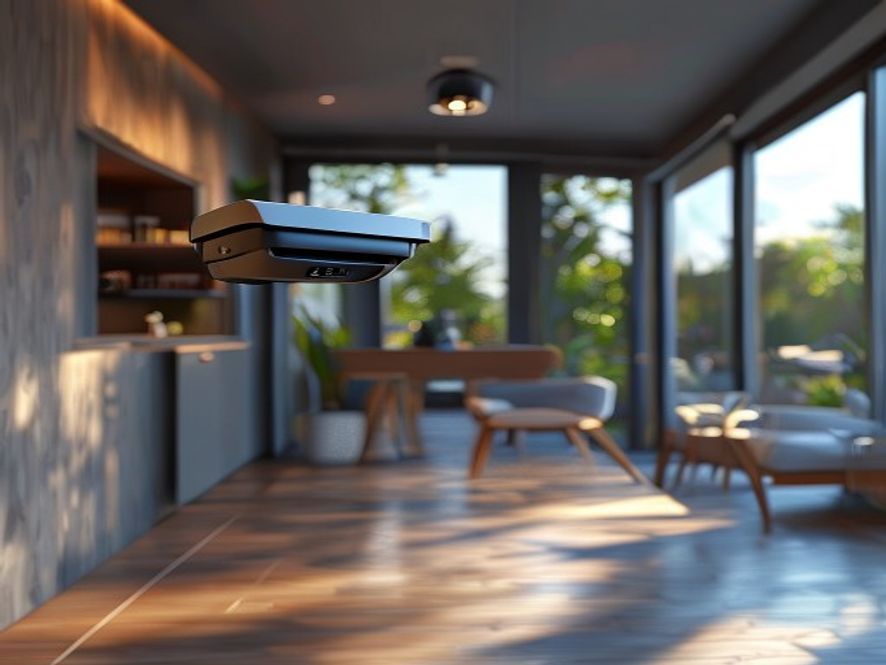
You walk into your living room, and your phone buzzes. Someone is at the front door. But it’s not a person — it’s a raccoon. Your these cameras just identified the animal and sent you a friendly alert. This isn’t science fiction. This is 2025. smart security cameras now learn, adapt, and protect smarter than ever before. In this guide, I’ll show you why upgrading to smart security cameras is the smartest move you can make this year. You will discover the best features, installation tricks, and privacy tips. I’ll also share my honest opinions — no fluff, just real talk.
The home security industry changes fast. intelligent cameras lead that change. Traditional cameras just record. intelligent cameras analyze. They distinguish between a delivery driver and a prowler. They ignore swaying trees but alert you when a person lingers. AI home security cameras reduce false alarms by up to 90%. That’s a huge win for your sanity. AI home security cameras also integrate with smart locks, lights, and alarms. You get a complete ecosystem. modern security cameras are not a luxury anymore — they are a necessity.
I’ve tested over a dozen models this year. Some impressed me. Others disappointed. modern security cameras vary wildly in quality. However, the best ones share common strengths. You need to know what to look for. This guide will help you choose wisely. Let’s start with why these cameras dominate 2025.
Why AI Home Security Cameras Dominate 2025
Crime rates shift. Technology evolves. these systems respond faster than humans ever could. Imagine a camera that recognizes a known package thief from your neighborhood watch list. these systems can do that. They use facial recognition and object detection. They learn your routines. When something unusual happens, they alert you immediately.
advanced cameras work with voice assistants. You can ask Alexa to show the backyard feed. You can tell Google to arm the system. AI home security cameras also store clips in the cloud or locally. You never miss a moment. In addition, many models offer 4K resolution and night vision. The image quality blows away older systems. advanced cameras give you peace of mind, day and night.
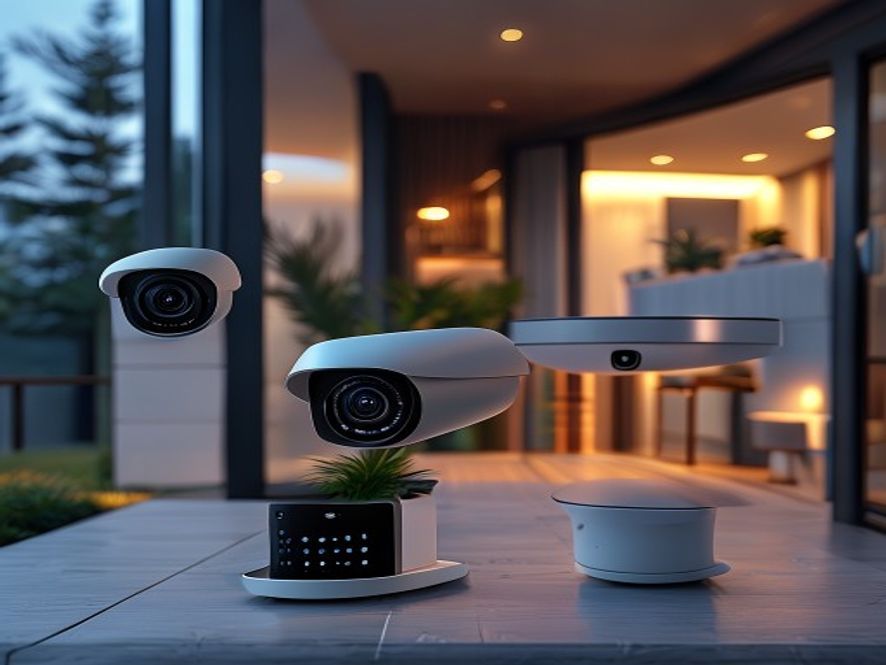
I personally love how AI home security cameras reduce unnecessary notifications. My old camera alerted me every time a leaf blew by. Annoying. My new this technology only ping me for people, vehicles, or animals. That’s a huge improvement. Therefore, if you want fewer false alarms, go with this technology.
Top Features to Look For in AI Home Security Cameras
Not all these devices are equal. You need to check specific features. First, look for on-device AI processing. This means the camera analyzes footage locally, not in the cloud. On-device AI makes the system faster and more private. Second, seek models with person, pet, and vehicle detection. These are the core capabilities of modern these devices.
Third, consider two-way audio. Many AI home security cameras let you talk to visitors through the camera. You can tell a delivery driver where to leave a package. You can scare off a suspicious person. Fourth, check for smart alerts. The best AI home security cameras send customizable notifications. You choose what matters. For example, you can set alerts only for people in the backyard at night.
Look for integration with your existing smart home hub. smart security cameras that work with Apple HomeKit, Google Home, or Amazon Alexa offer the smoothest experience. In addition, check the field of view. Wide-angle lenses (130° or more) capture more area. they with pan and tilt features let you move the camera remotely. That flexibility is fantastic for large yards.
Storage options matter too. Some these cameras offer free cloud storage for a few days. Others require a subscription. I recommend cameras that support local storage via microSD or NVR. That way you avoid monthly fees. intelligent cameras with both cloud and local options give you the best of both worlds.
Finally, consider weather resistance. Outdoor smart security cameras need IP65 or higher rating. Rain, snow, and dust should not stop them. My personal favorite is the Arlo Pro 5S 2K — it checks every box. AI home security cameras like that one justify the investment.
How AI Home Security Cameras Save You Money
You might think modern security cameras cost too much. Actually, they save you money over time. How? First, they reduce false alarms. Police fines for false alarms can reach $200 per incident. AI home security cameras slash those fines. Second, they lower your home insurance premium. Many insurers offer discounts if you install intelligent cameras. Check with your provider.
Third, these systems deter theft. Packages left on your porch attract thieves. A camera with AI can detect a porch pirate and trigger a loud siren. That prevents loss. Fourth, you can avoid expensive monitoring services. Traditional alarm companies charge $30–$50 per month. modern security cameras with self-monitoring cost nothing after purchase. You pay once and enjoy years of protection.
As a result, the total cost of ownership drops significantly. I switched from a monitored system to these systems two years ago. I saved over $600 annually. advanced cameras paid for themselves within eight months. Moreover, they offer features my old system never had — like facial recognition and activity zones.
However, you must choose wisely. Cheap AI home security cameras often lack real AI. They just use motion sensors. That defeats the purpose. Invest in quality AI home security cameras from reputable brands. You’ll recoup the cost quickly.
Installation Tips for AI Home Security Cameras
Installing this technology is easier than you think. Most models are wireless. You mount them with screws or adhesive. However, placement matters. For best results, position advanced cameras at entry points: front door, back door, garage, and first-floor windows. Height matters too. Mount this technology 7–10 feet above ground. That angle captures faces clearly and makes tampering harder.
Avoid pointing these devices directly at the sun. Glare ruins video quality. Also, keep these devices away from trees and bushes that move in the wind. That reduces false triggers. Use the camera’s app to set activity zones. You can exclude sidewalks or streets. AI home security cameras then ignore non-threatening motion in those areas.
In addition, test the Wi-Fi signal before final mounting. smart security cameras need a strong connection. Weak Wi-Fi causes lag and missed recordings. Use a mesh network if your home is large. I recommend placing AI home security cameras within 50 feet of a router or access point. If you have to run a cable, consider Power over Ethernet (PoE) models. They provide both power and data through one cable. the system with PoE are rock solid.
Finally, update the firmware immediately. Manufacturers release patches that improve AI performance. intelligent cameras get smarter over time. Don’t skip updates. You can read more about integrating cameras with your smart home in our guide on smart home security. And for advanced AI processing, check out edge AI home security.
Privacy Concerns with AI Home Security Cameras
Privacy is a hot topic. they record your property — and sometimes your neighbors. That raises questions. However, you can take steps to protect privacy. First, choose these cameras that process data locally. On-device AI means no footage leaves your home unless you choose. That’s a huge privacy win.
Second, read the privacy policy. Some companies sell anonymized data. Avoid those. Stick with brands known for strong privacy practices, like Eufy or Arlo. Third, use physical privacy shutters. Some modern security cameras include a lens cover that closes when you arm the system away. That prevents accidental recording inside your home.
Moreover, be mindful of where you point indoor AI home security cameras. Never aim them at bedrooms or bathrooms. Use geofencing to automatically disable indoor cameras when you are home. AI home security cameras are powerful tools, but you need to use them responsibly. I think that’s a fair trade-off.