2025 Ultimate Guide to AI Home Security Cameras
AI home security cameras have transformed the way homeowners protect their properties in 2025. These intelligent devices go far beyond simple video recording by leveraging artificial intelligence to detect threats, distinguish between people and pets, and send real-time alerts directly to your phone. Therefore, if you want a smarter, faster, and more reliable way to safeguard your home, they deliver unmatched performance. This ultimate guide covers everything you need to know about choosing, installing, and maximizing the value of AI home security cameras for your household.
How AI Home Security Cameras Work
AI home security cameras use advanced machine learning models to analyze video footage in real time. Unlike traditional cameras that simply record everything, these smart devices process each frame to identify specific objects, faces, and behaviors. As a result, they filter out irrelevant motion like swaying trees or passing cars and focus only on events that truly matter.
Table of Contents
- How AI Home Security Cameras Work
- Core AI Technologies
- On-Device vs Cloud Processing
- Top AI Home Security Cameras for 2025
- Best Indoor Picks
- Best Outdoor Picks
- Best Budget Picks
- Key Features to Consider in AI Home Security Cameras
- Person and Object Detection
- Night Vision Enhancements
- Smart Alerts and Automations
- Installation and Best Practices for AI Home Security Cameras
- Indoor Placement Tips
- Outdoor Placement Tips
- Privacy and Security Considerations for AI Home Security Cameras
- Data Encryption and Storage
- Local vs Cloud Privacy Tradeoffs
- Frequently Asked Questions
- Are AI home security cameras worth the investment?
- Can AI home security cameras recognize faces?
- Do AI home security cameras work without internet?
- How much do AI home security cameras cost?
- What is the best storage option for AI home security cameras?
- Conclusion
Core AI Technologies
The backbone of AI home security cameras lies in computer vision and deep learning algorithms. These technologies enable the camera to recognize human silhouettes, detect package deliveries, and even identify familiar faces over time. Furthermore, continuous software updates mean the AI models improve with every month of use, making each camera smarter than the day you installed it.
According to TechRadar’s comprehensive testing, modern they reduce false alerts by up to 95 percent compared to non-AI models. Therefore, you spend less time checking meaningless notifications and more time responding to genuine threats.
On-Device vs Cloud Processing
Some they process data directly on the device, while others rely on cloud servers. On-device processing, also called edge AI, offers faster response times and better privacy because your footage never leaves your home. However, cloud processing provides more powerful analysis and features like facial recognition across multiple cameras.
For a deeper dive into this topic, read our guide on edge AI and on-device intelligence for home security, which explains how local processing keeps your data safe while maintaining excellent detection accuracy.
Top AI Home Security Cameras for 2025
Choosing among the best smart security cameras on the market requires understanding each model’s strengths and limitations. Therefore, we have compiled top picks across three categories to help you find the perfect fit for your needs and budget. Each recommendation balances AI capability, video quality, and overall value.
Best Indoor Picks
Indoor AI home security cameras excel at monitoring interior spaces with features like two-way audio, night vision, and person detection. The Google Nest Cam IQ Indoor stands out because its built-in Soli radar chip tracks movement precisely and distinguishes people from pets. Moreover, its 1080p HDR video ensures you see every detail clearly, even in challenging lighting conditions.
Another strong contender is the Arlo Pro 5 indoor camera, which leverages AI to deliver color night vision and intelligent object detection. In addition, it integrates seamlessly with major smart home platforms, making it an excellent choice for connected households. CNET’s indoor camera rankings consistently place both models at the top for 2025.
Best Outdoor Picks
Outdoor AI home security cameras face tougher conditions but still deliver impressive performance. The Reolink Altas PT Ultra leads the pack with 4K resolution, automatic tracking, and AI-powered vehicle detection that identifies cars in your driveway. Furthermore, its solar panel accessory keeps the battery running year-round without manual intervention.
The Ring Spotlight Cam Pro also earns high marks for its radar-based motion detection and pre-roll video feature that captures footage before an event occurs. As a result, you get complete context around every alert rather than a partial clip that misses the beginning of an incident.
Best Budget Picks
You do not need to spend a fortune to benefit from AI home security cameras. The Tapo C120 delivers person detection, customizable activity zones, and 2K resolution under fifty dollars. Therefore, budget-conscious homeowners can still enjoy intelligent monitoring without sacrificing essential features.
The Wyze Cam v4 is another affordable option that includes on-device AI for person detection and package alerts. However, its cloud storage subscription adds recurring costs, so factor that into your total expenditure. Overall, both picks prove that AI home security cameras can fit almost any budget.
Key Features to Consider in AI Home Security Cameras
When shopping for AI home security cameras, focus on the features that directly impact daily performance and long-term satisfaction. The right combination of AI capabilities, video quality, and storage options determines how effectively your system protects your home. Below, we explore the most critical features in detail.
Person and Object Detection
Person detection remains the single most valuable AI feature in home security cameras. This capability allows the camera to distinguish humans from animals, shadows, and other motion triggers. Consequently, you receive alerts only when a real person approaches your property, which dramatically reduces notification fatigue.
Advanced models also include package detection, vehicle recognition, and animal classification. These additional AI layers provide richer context about what the camera observes. Moreover, some AI home security cameras learn familiar faces and send personalized alerts, so you instantly know whether a detected person is a family member or a stranger.
Night Vision Enhancements
Traditional night vision relies on infrared sensors that produce grainy black-and-white footage. AI home security cameras now offer color night vision using low-light sensors enhanced by AI noise reduction algorithms. Therefore, you can identify clothing colors, vehicle details, and facial features even in near-total darkness.
Some premium models combine infrared with spotlight activation triggered by AI person detection. The camera switches from infrared to full-color video as soon as it identifies a human presence. In addition, built-in AI algorithms intelligently adjust exposure and contrast settings for optimal clarity in every frame.
Smart Alerts and Automations
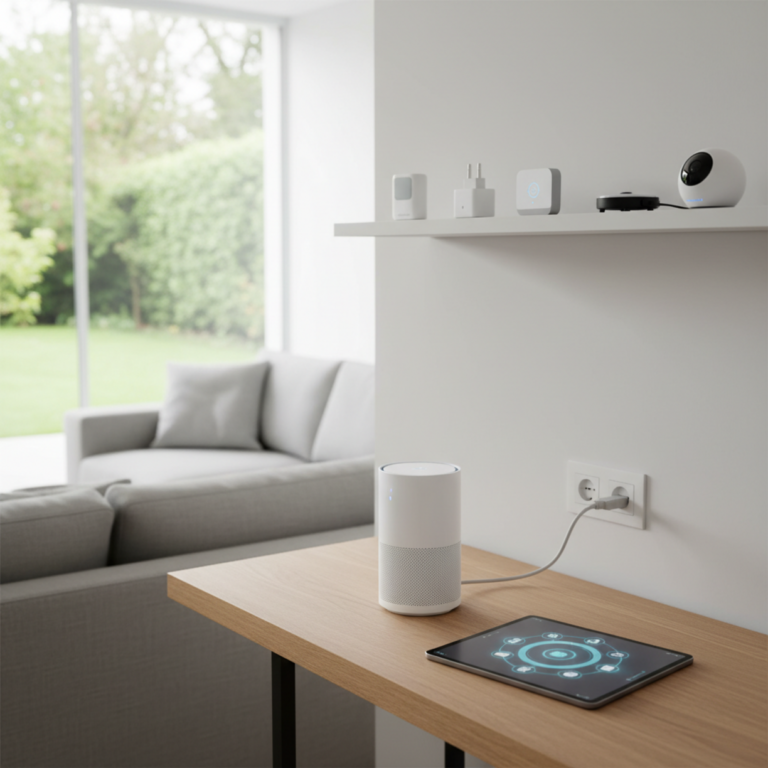
The true power of AI home security cameras emerges when they connect with your broader smart home ecosystem. You can set automations that trigger outdoor lights, lock smart doors, or sound sirens when the camera detects an unfamiliar person. Furthermore, integration with platforms like Amazon Alexa, Google Home, and Apple HomeKit makes these automations easy to configure.
For comprehensive guidance on building a connected security system, visit our smart home security resource page, which covers everything from camera placement to automation recipes that maximize your protection.
Installation and Best Practices for AI Home Security Cameras
Proper installation determines whether your smart security setup reach their full potential. Even the most advanced camera performs poorly if you place it at the wrong angle or height. Therefore, follow these placement guidelines to ensure optimal coverage and AI accuracy across your property.
Indoor Placement Tips
Position indoor AI home security cameras at a height of seven to nine feet to capture faces clearly while staying out of reach. In addition, angle cameras slightly downward to cover entry points like doors and windows without creating blind spots. Avoid placing cameras directly opposite windows, since backlighting confuses AI detection algorithms and reduces accuracy.
For multi-room coverage, prioritize entry points and hallways where intruders must pass. Moreover, consider cameras with wide-angle lenses that cover entire rooms from a single vantage point. This approach reduces the number of devices you need while maintaining comprehensive surveillance throughout your home.
Outdoor Placement Tips
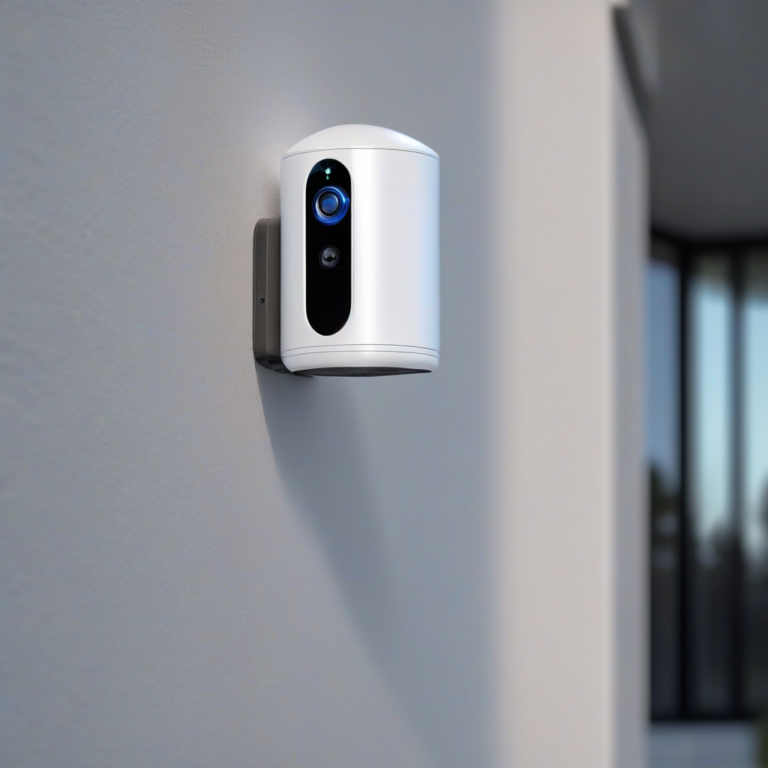
Mount outdoor AI home security cameras eight to ten feet above ground level to prevent tampering while maintaining clear facial recognition. Furthermore, direct cameras toward driveways, walkways, and backyard access points where unauthorized entry is most likely. Weatherproof housing rated IP65 or higher ensures your cameras withstand rain, snow, and extreme temperatures year-round.
SafeHome.org’s security camera guide recommends overlapping coverage zones where two cameras monitor the same area from different angles. As a result, if one camera fails or gets obstructed, the other maintains surveillance without interruption.
Privacy and Security Considerations for AI Home Security Cameras
AI home security cameras collect sensitive video data, making privacy and cybersecurity critical factors in your purchasing decision. You must understand how each manufacturer handles, stores, and protects your footage. Therefore, we examine the key privacy and security elements that separate trustworthy systems from risky ones.
Data Encryption and Storage
End-to-end encryption ensures that only you can access your video footage, even if intercepted during transmission. Leading AI home security cameras encrypt data both in transit and at rest, preventing unauthorized parties from viewing your recordings. However, not all brands offer this level of protection, so verify encryption standards before purchasing.
Storage options include local microSD cards, network-attached storage, and cloud subscriptions. Local storage keeps data physically within your home, eliminating third-party access entirely. Consumer Reports highlights that local storage provides the highest privacy protection, while cloud storage offers convenience and remote access at the cost of trusting a provider with your data.
Local vs Cloud Privacy Tradeoffs
Cloud storage enables convenient access to footage from anywhere and automatic backups that protect against device theft. However, it requires trusting a company with your most private moments. AI home security cameras with edge processing minimize this risk by analyzing footage locally and sending only alerts, not raw video, to the cloud.
On the other hand, local storage puts you in full control but demands active management of storage capacity and backups. Furthermore, if an intruder steals or destroys the camera, local footage may be lost permanently. Therefore, many homeowners choose a hybrid approach that combines local processing with optional cloud backup.
Frequently Asked Questions
Are AI home security cameras worth the investment?
Yes, AI home security cameras are absolutely worth the investment because they dramatically reduce false alerts and provide actionable intelligence. Traditional cameras overwhelm you with notifications, but AI filters those down to events that genuinely matter. As a result, you respond faster and more confidently to real threats.
Can AI home security cameras recognize faces?
Many premium these systems offer facial recognition that learns familiar faces over time. This feature allows the camera to distinguish between family members, frequent visitors, and strangers. However, local laws regarding facial recognition vary, so check regulations in your area before enabling this feature.
Do AI home security cameras work without internet?
AI home security cameras with on-device processing continue detecting people and objects without an internet connection. However, you lose remote access, cloud storage, and push notifications during an outage. Therefore, cameras with local storage and edge AI provide the most reliable protection during connectivity disruptions.
How much do AI home security cameras cost?
AI home security cameras range from under fifty dollars for basic models to over three hundred dollars for premium 4K systems with advanced AI features. Furthermore, cloud storage subscriptions typically cost between three and fifteen dollars per month. Overall, you can build an effective system regardless of your budget.
What is the best storage option for AI home security cameras?
The best storage option depends on your priorities. Local microSD storage provides maximum privacy and no recurring fees, while cloud storage offers convenience and off-site backup. Moreover, a hybrid approach that uses both local and cloud storage delivers the best balance of privacy, reliability, and accessibility.
Conclusion
they represent the most significant advancement in home protection technology this decade. These intelligent devices transform passive surveillance into proactive defense by identifying real threats, filtering false alerts, and integrating with your smart home ecosystem. Furthermore, options now exist for every budget, from affordable models under fifty dollars to premium 4K systems with full facial recognition.
When selecting your next camera, prioritize person detection accuracy, storage flexibility, and strong encryption. In addition, think carefully about whether edge AI or cloud processing better suits your privacy preferences and connectivity needs. Whatever you choose, they deliver confidence and peace of mind that traditional cameras simply cannot match.
Ready to upgrade your entire home security system? Explore our complete smart home security guide and learn more about edge AI technology for on-device intelligence to make the most informed decision for your home.