
Wondering if your home security can evolve? Artificial intelligence is reshaping how we protect our living spaces. Many homeowners ask, how does smart home work when discussing intelligent security features? By integrating smart home automation, you create a proactive shield against threats. This technology offers more than just cameras; it offers insight.
Understanding the underlying mechanics allows for better planning. Let’s dive into the essentials of setting up a secure, intelligent environment tailored for modern living standards.
Table of Contents
Materials & Supplies

Before configuring settings, gather your necessary hardware to ensure compatibility. Essential items include AI-powered security cameras capable of facial recognition, intelligent hubs like Amazon Echo or Google Nest, and motion sensors. For access management, consider smart locks compatible with existing doorways. Mobile apps are required to manage video feeds from your smartphone. Optional additions include environmental sensors for smoke or carbon monoxide detection. Ensure you have a reliable Wi-Fi network to handle data traffic. Some users prefer local storage options over cloud subscriptions for added privacy and reduced latency.
Timing / Installation Schedule
Planning your installation helps minimize downtime and ensures system reliability. Typical prep time ranges from 30 to 60 minutes to ensure Wi-Fi stability and power availability. The actual setup period for a full system usually takes two to four hours, depending on home size and device count. Activation is often immediate after configuration, but initial learning modes for AI devices may run for 24 to 48 hours to refine behavioral patterns. Compare this to traditional systems where wiring might delay installation for days. AI systems streamline this process, allowing most users to go live within a single afternoon without extensive technical knowledge.
Step-by-Step Instructions
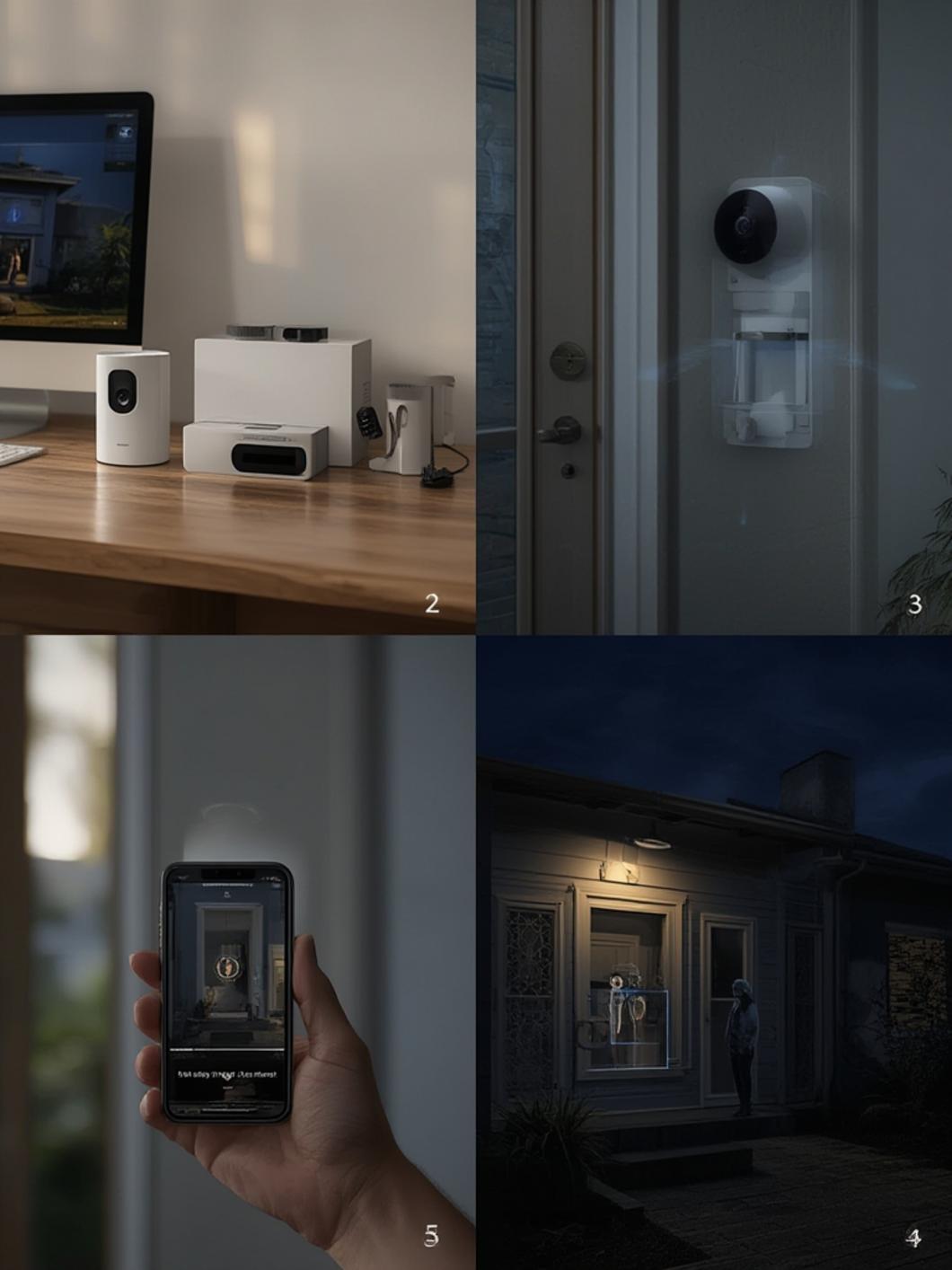
Follow these steps to ensure a fully functional and secure setup.
1. Power on all devices and connect to your primary network.
2. Download the manufacturer’s unified application for easy control.
3. Understand how does smart home work by reviewing the device manuals for specific integration requirements.
4. Arrange sensors to cover entry points and blind spots effectively.
5. Configure smart home automation rules within the app to trigger alerts or lights automatically.
6. Test the system by simulating a breach to verify notification speed. Keep passwords strong and update permissions regularly to maintain high security standards.
Security & AI Advantages
AI integration brings distinct benefits over conventional monitoring and manual systems. Enhanced protection comes from predictive analytics that distinguish between pets and intruders efficiently. Automation allows for lights to turn on when motion is detected, deterring potential intruders instantly without human intervention. Remote monitoring provides real-time video feeds accessible from anywhere in the world. These features collectively offer significant peace of mind for families traveling or away for extended periods, giving you control from your pocket.
Tips, Alternative Methods, or Installation Advice
Deciding between DIY and professional installation depends on your technical confidence and budget. DIY reduces costs but requires patience, while professionals ensure optimal placement and testing without errors. Cloud-based AI processing is convenient for remote access, whereas local processing ensures data remains on-site during outages. For small spaces, integrate compact sensors to avoid clutter. Different climates may affect Wi-Fi stability, so test signal strength indoors and outdoors. Consider hybrid setups that utilize both local and cloud storage for redundancy.
Common Mistakes to Avoid
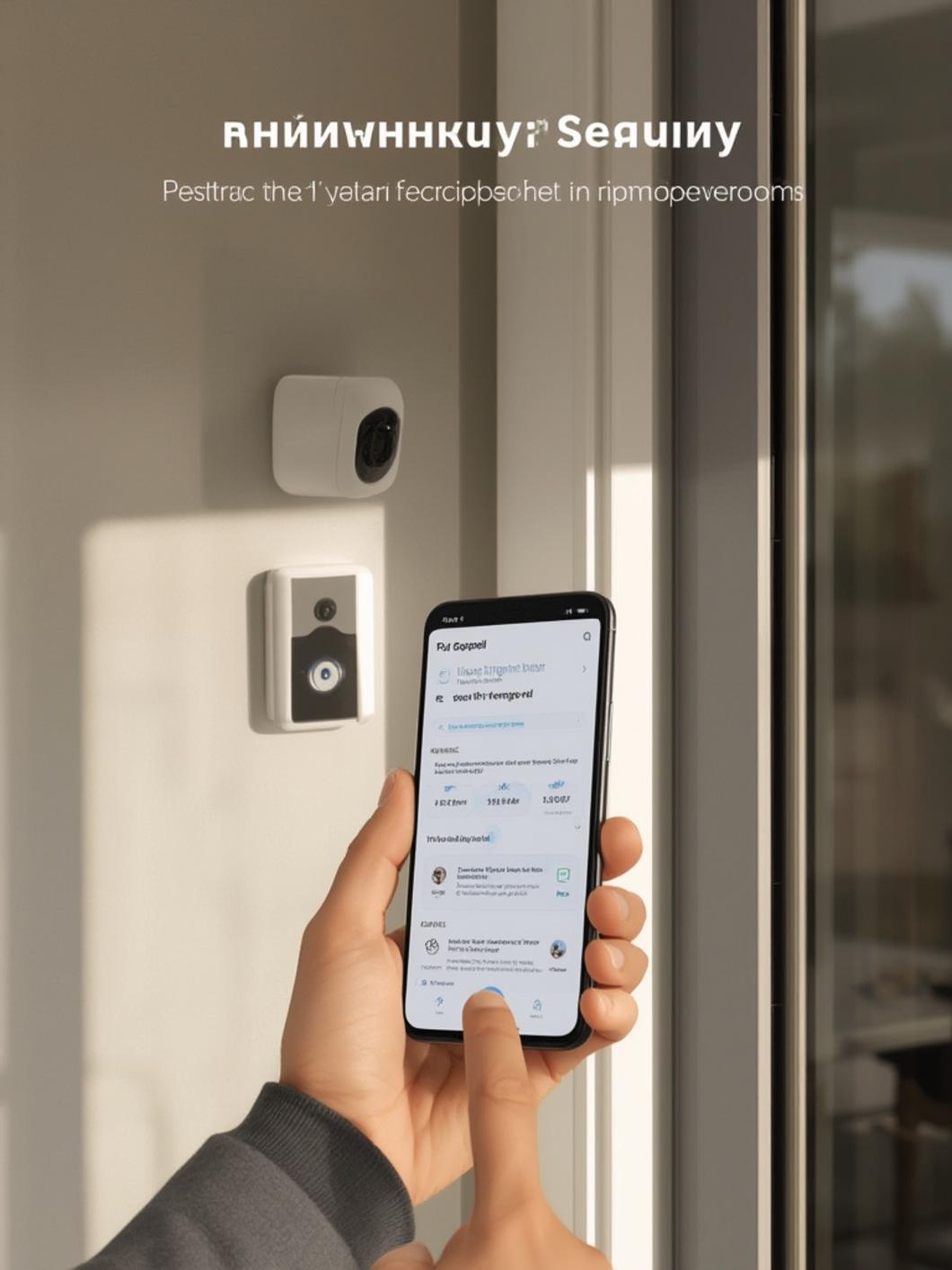
New users often make configuration errors that compromise overall safety. Using weak passwords is a critical vulnerability that hackers can exploit easily. Poor camera placement can leave blind spots despite having advanced detection capabilities. Neglecting firmware updates leaves systems open to known security patches. Regularly review logs to ensure no devices are missing from the network. Additionally, ensure privacy settings are configured correctly to prevent unauthorized access to live feeds.
Storage / Maintenance Tips
Long-term performance relies on consistent care and attention to detail. Schedule monthly firmware updates to fix bugs and close security gaps. Keep camera lenses clean to ensure clear video quality for recording and analysis. Back up critical footage to an external drive if your cloud service fails or is interrupted. Conduct a quarterly system check to verify all sensors are communicating correctly with the central hub. Check battery levels for wireless sensors to prevent unexpected power failures.
Conclusion
Implementing AI-driven security transforms how you perceive home safety and management. You now have a clearer picture of how does smart home work regarding intelligent surveillance and response protocols. By embracing smart home automation, you prioritize family safety without constant manual intervention or worry. Start your upgrade today and share your setup experience in the comments below. Explore more guides on optimizing your digital living space for future readiness and resilience.
FAQs
Q: Is AI security expensive to set up?
A: Initial costs vary, but many entry-level kits are affordable without sacrificing core features.
Q: Can I control my system if Wi-Fi is down?
A: Some systems offer local control modes, ensuring functionality even without internet connectivity.
Q: Does AI security require monthly subscriptions?
A: Many devices charge for cloud storage, though basic local alerts often remain free.
Q: Are these systems compatible with voice assistants?
A: Most modern hubs integrate seamlessly with Amazon Alexa and Google Assistant for hands-free control.
Leave a Reply to The Complete Guide to Matter smart home explained Cancel reply